
Nushuz in Language, Sharia, and Law
Linguistically, Ismail Ibn Hammad Al-Jawhari, in his book “Al-Sihah”, defines “nushuz” as “disobedience, refusal, and arrogance, from the word ‘nashz,’ which means something elevated and prominent.” It is also used to describe a discordant note that is out of harmony.
In Islamic Sharia, “nushuz” has two forms: the wife’s disobedience to her husband or the husband’s disobedience to his wife.
Ibn Qudamah, in his book “Al-Mughni”, defines a wife’s “nushuz” as “the wife’s disobedience to her husband in what Allah has obligated her to obey him in.” Allah says in Surah An-Nisa, “…And those [wives] from whom you fear arrogance – [first] advise them; [then if they persist], forsake them in bed; and [finally], strike them. But if they obey you [once more], seek no means against them. Indeed, Allah is ever Exalted and Grand.”
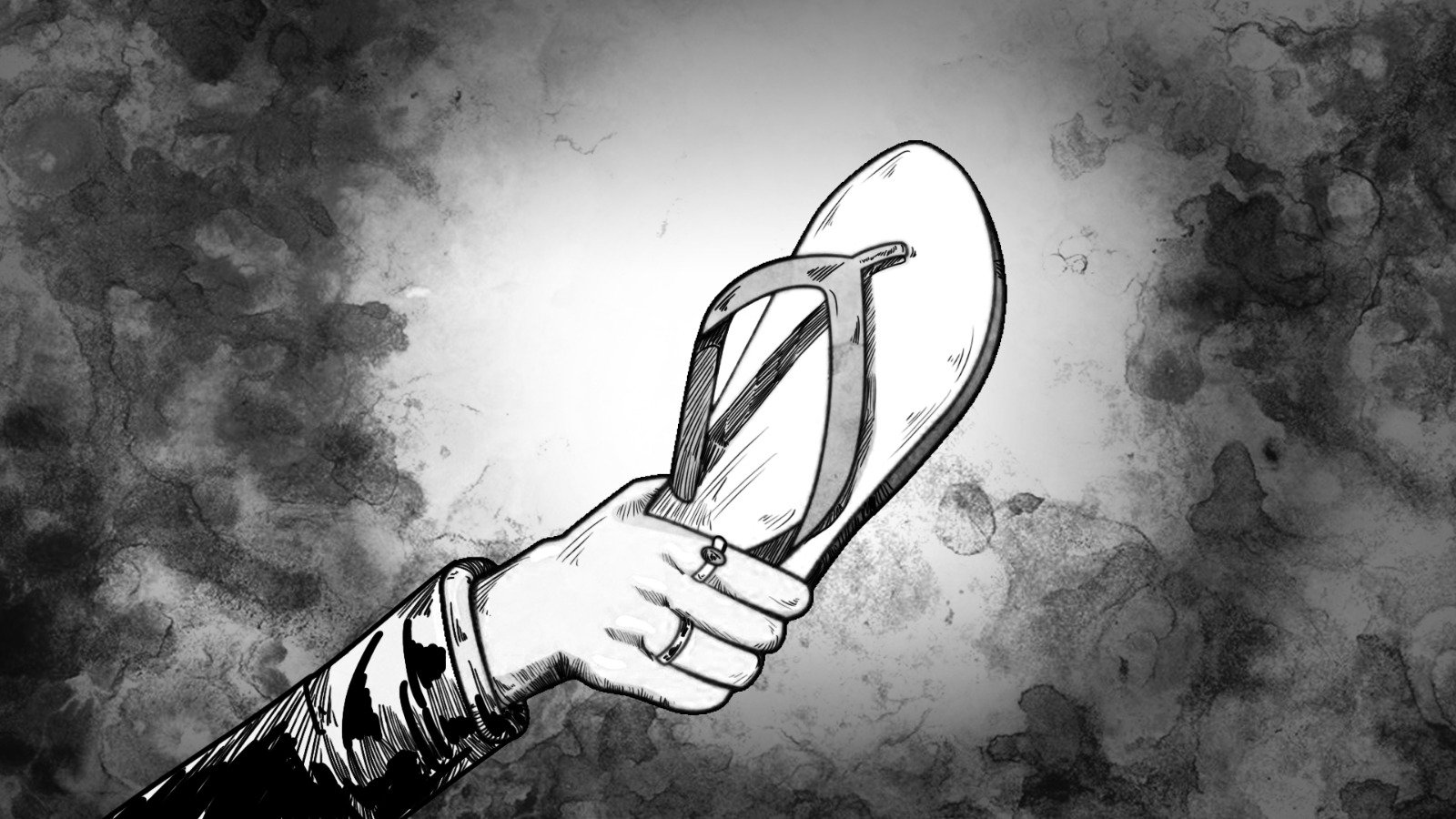
The reference to striking is intended as a last resort in limited and specific circumstances and a defined manner. After advice and separation in bed, it should be a non-harmful strike. If striking would escalate the situation, it should not be used. The Fiqh Encyclopedia states, “The Malikis, some Shafi’is, and Hanbalis said: he disciplines her by striking her with a siwak or similar, or with a folded handkerchief, or with his hand, but not with a whip, stick, or wooden object, as the purpose is discipline.”
In a narration by Abu Dawood, the Prophet Muhammad, peace and blessings be upon him, initially prohibited striking women before the revelation of this verse, which led some women to become bold against their husbands, causing tension. Iyas bin Abdullah bin Abi Dhubab narrated that the Prophet, peace and blessings be upon him, said: “Do not beat Allah’s female servants.” Then Omar came to the Prophet, peace and blessings be upon him and said: “The women have become bold towards their husbands,” so he permitted striking them. Then many women went around the family of the Messenger of Allah, peace and blessings be upon him, complaining about their husbands, and the Prophet, peace and blessings be upon him, said: “Many women have gone around Muhammad’s family complaining about their husbands. Those (men) are not the best among you.”
In his farewell sermon, the Prophet, peace and blessings be upon him, advised men to treat women well: “Treat women kindly, for a woman is created from a rib, and the most crooked part of the rib is its uppermost part. If you try to straighten it, you will break it; if you leave it, it remains crooked. So treat women kindly,” narrated by Abu Huraira in Sahih Al-Bukhari.
Regarding the husband’s “nushuz,” Al-Tabari interprets it as “exalting himself over her, turning away from her to another, either out of dislike or hatred.”
Allah says in Surah An-Nisa, “And if a woman fears from her husband contempt or evasion, there is no sin upon them if they make terms of settlement between them – and settlement is best. And present in [human] souls is stinginess. But if you do good and fear Allah – then indeed Allah is ever, with what you do, Acquainted.”
In the case of a husband’s “nushuz,” Islam permits the wife to either appease him by giving up some of her rights or to seek divorce in court for harm while retaining all her rights.
Legally, Article 69 of the Qatari Family Law No. 22 of 2006 defines the wife’s nushuz, which forfeits her right to alimony, as follows: “If she prevents herself from the husband, or refuses to move to the marital home without a legitimate excuse, or if she leaves the marital home without a legitimate excuse, or if she prevents the husband from entering the marital home without a legitimate excuse, or refuses to travel with her husband without a legitimate reason, or travels without his permission, or if she works outside the home without her husband’s consent, unless the husband is unjust in preventing her from working.”
Article 129 of the same law also states that the wife has the right to request separation for harm, even based on hearsay testimony, which means testimony from those who have heard about the discord between them. It states that: “The wife, before or after consummation, has the right to request separation for harm that makes cohabitation with her impossible. The judge must make efforts to reconcile the matter, and if reconciliation is not possible and harm is proven, the judge shall rule for separation. Harm can be proven by evidence, including hearsay testimony.”
Circumstances in which a woman is not obliged to obey her husband and is not considered disobedient include If he orders her to commit a religious or legal violation, if she refuses to cohabit with him due to a physical or psychological reason, if he has not paid her entire dowry, if he burdens her beyond her capacity, if he demands something she fears, if he asks her to live in a house that she does not share solely with her children from him, or if he prevents her from continuing her education, provided she stipulated this in the marriage contract.
It is worth noting that the Moroccan Family Code of 2021 does not explicitly mention the term nushuz, but includes two related terms: discord and harm. The Moroccan law obligates the husband to provide alimony for his wife unless she leaves the marital home and refuses to return. Article 195 states, “Alimony is awarded to the wife from the date the husband stops providing the obligatory support, and it does not lapse over time unless the wife is ordered to return to the marital home and she refuses.”
The same law also grants a woman the right to request separation while retaining all her rights if her husband marries another woman. Article 45 states, “If the court finds during discussions that the wife being married to another cannot continue the marriage and requests a divorce, the court sets an amount to fulfil all the wife’s and their children’s rights, whom the husband is obligated to support. The husband must deposit the specified amount within a period not exceeding seven days. Once the deposit is made, the court issues a divorce decree, which is not subject to any appeal in its part that terminates the marital relationship.”
Article 97 of the same law states: “If reconciliation is impossible and discord continues, the court documents this in a report and rules for separation and entitlements according to Articles 83, 84, and 85 above, considering the responsibility of each spouse for the separation in determining what may be awarded to the other spouse. A decision on the discord case must be issued within six months from the date of the request.”
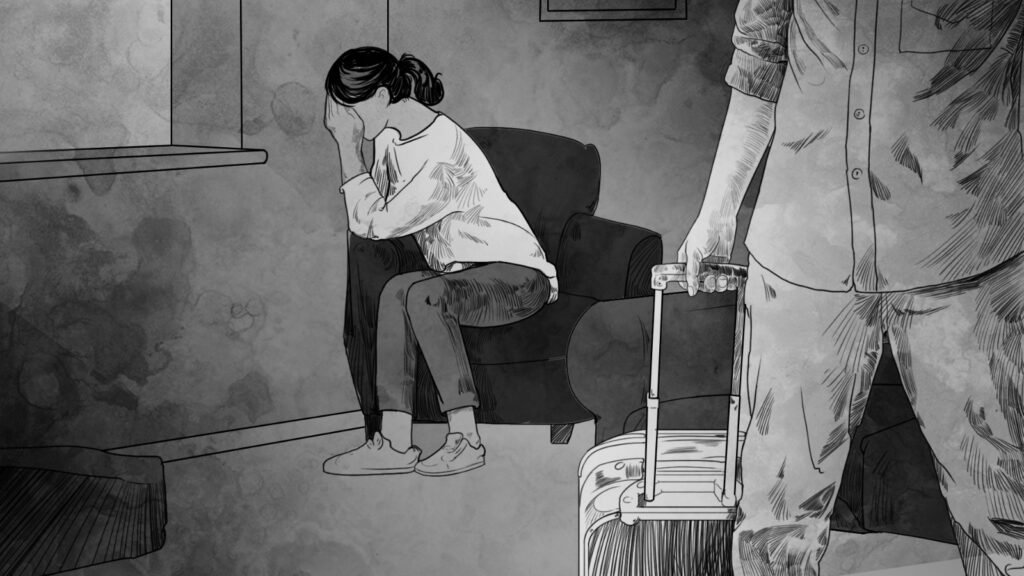
Reasons for One Spouse’s Nushuz Towards the Other
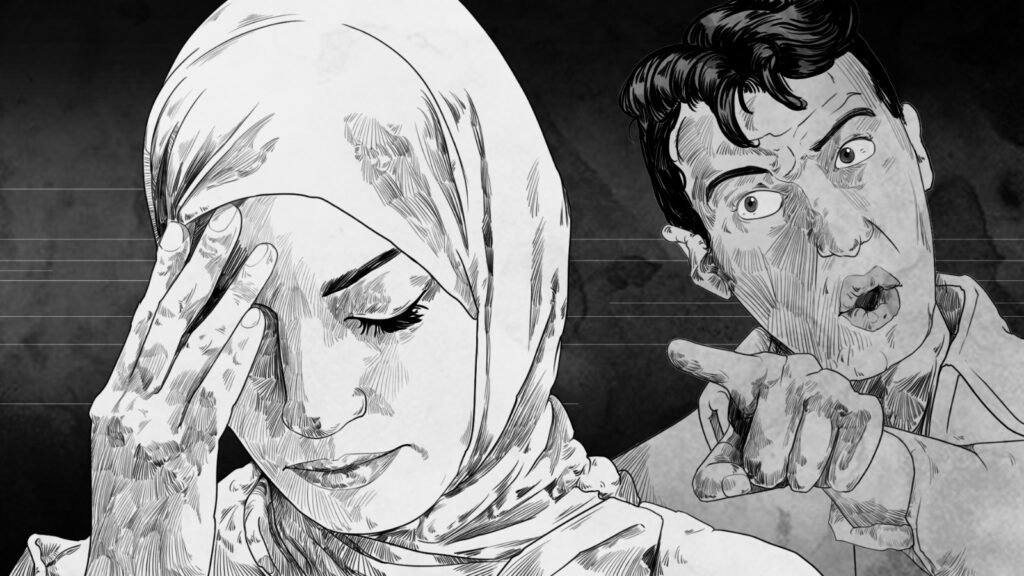
The amplification of self-centeredness and the demand for rights before fulfilling duties can lead to the other party feeling wronged. This can result in either internalizing these feelings until they become hatred or responding to mistreatment with further mistreatment, escalating the discord and complicating matters.
Another cause of nushuz is a lack of awareness, social intelligence, and poor communication, which can lead both parties into psychological isolation under the same roof, known as silent divorce.
Additionally, conflicts between spouses can be fueled by the intervention of family and friends, whose advice may appear compassionate on the surface. Still, they can cause harm underneath, inciting one party to distrust and rebel against the other.
We cannot overlook the significant role of negative role models promoted by the media through programs and dramatic works that spread misleading ideas and negative stereotypes.
Ways to Address Nushuz
First and foremost, prevention is better than cure. Young people should learn before marriage, and within some school curricula, about the challenges they will face in a complex and intimate relationship with someone who grew up in a different environment and how to treat the other party with kindness and good companionship.
Suppose a conflict arises and nushuz occurs from one of the parties. In that case, the affected party should first suppress their anger, respond to mistreatment with kindness, offer direct advice to the other party, and explain what is bothering them.
Undoubtedly, counselling with a specialist can help mend the rift before it worsens.
Everyone should reconsider life as a whole and their private life with their family to set their priorities based on a realistic view that tries to understand and meet the other party’s needs.
Through all media and social platforms, the media, researchers, and specialists need to refute misleading ideas and negative behaviours that fuel conflicts between spouses.
In a moment of honesty and self-reflection, one should sincerely ask oneself: Would they accept their children being subjected to what they are doing to their partner?
If the answer is no, they should reconsider their actions and not be unjust.
If the answer is no, they should reconsider their actions and not be unjust.