spot_imgspot_img
HomeExpatriatesThe History and Future of Pension Systems Across the Globe

The History and Future of Pension Systems Across the Globe

It is said that a man wanted to buy a house from an old woman, but instead of selling it to him, she stipulated that he rent it from her for a monthly fee throughout her lifetime, after which it would become his property upon her death.

The man agreed to this tempting offer, assuming she wouldn’t live for long.

Year after year, the man continued paying the agreed-upon monthly rent until he realized he had paid more than the house’s purchase value.

The man died before the old woman, leaving his widow to continue renting the house for many more years.

This story reminded me of a comment made by a German student in the mid-1990s while browsing a newspaper in our shared university dorm kitchen. He expressed deep frustration over the large number of pensioners in Germany at the time, which exceeded 20 million elderly individuals, considering that the total population back then was around 80 million.

Not to mention that the remaining 60 million people did not all fall under the workforce category. Some were unable to work, such as children, as well as a portion of the population with disabilities due to health reasons, and those not qualified for the labor market, like refugees.

Today, in the mid-2010s, according to the Statista website, Germany’s net workforce stands at about 46 million people, supporting themselves and an additional 39 million non-working individuals, including nearly 26 million retirees.

The Origin of Pension Systems Around the World

Dr. Anthony Asher states in an article on The Conversation that Emperor Augustus, who ruled after the death of Julius Caesar, established a pension system for Roman soldiers over 2,000 years ago. The aim was to ensure that these soldiers, while still strong and healthy, would be less likely to cause trouble.

This pension system provided a substantial payout to soldiers after 25 years of service, meaning the retirement age in some cases was around 42 years.

In Islam, eight categories of recipients for obligatory zakat (charity) were established, as stated in the Quran:
“Zakah expenditures are only for the poor and for the needy and for those employed to collect [zakat] and for bringing hearts together [for Islam] and for freeing captives [or slaves] and for those in debt and for the cause of Allah and for the stranded traveler – an obligation [imposed] by Allah. And Allah is Knowing and Wise.” (Surah At-Tawbah: 60)

Islam prohibited zakat for the Prophet Muhammad (peace be upon him), his family, and descendants to ensure there would be no financial benefit for him or his lineage.

A story from Sahih Bukhari, narrated by Abu Huraira, recounts a moment when the Prophet took a date out of his grandson Hasan’s mouth, saying:
“Do you not know that the family of Muhammad does not eat from charity?”

In Abu Ubaid Al-Qasim bin Salam’s book Al-Amwal, it is narrated that Caliph Umar ibn Al-Khattab once saw an elderly Jewish man begging in the street. Upon learning that the man was collecting alms to pay the jizya tax, Umar said:
“We have not been just to you. We took from you when you were young and now abandon you in old age. By Allah, I will give you from the Muslim treasury.” Umar then allocated a monthly stipend for the man from the public treasury.

In the late 19th century, German Chancellor Otto von Bismarck addressed the rise of communism by announcing pensions for any German over the age of 65. While very few lived to this age at the time, it was a clever move to calm Marxist opposition.

Across the Atlantic, pension systems became more common in the United States in the mid-19th century, with municipal employees like firefighters and police officers beginning to receive public pensions. Private companies started offering pensions in the 1920s.

By the Great Depression in the 1930s, retirement became an economic solution to create opportunities for younger workers, as older workers were slowing productivity.

In 1958, Ethel Percy Andrus founded the American Association of Retired Persons (AARP), a nonprofit organization that provided services for seniors over 50, including discounts at numerous stores. Its aim was to encourage active lifestyles and enjoyment of life.

In Qatar, before formal pension systems were introduced, informal social safety nets existed, with extended family and tribal networks providing care for the elderly in a close-knit and compassionate society.

Formal pension systems were introduced in Qatar as part of the country’s efforts to modernize and diversify its economy in the 20th century, especially following the discovery of oil and gas.

In 2002, Qatar established an official pension system by founding the General Retirement and Social Insurance Authority under Law No. (24) of 2002 on Retirement and Pensions. The system covered Qatari citizens working in government institutions and certain public sector entities. Employees contributed 7% of their monthly salaries, while employers contributed 14%.

This was later replaced by Law No. (1) of 2022, which introduced the Social Insurance Law, repealing Law No. (24) of 2002. Article 2 of the new law specifies that it applies to Qataris working in ministries, government agencies, public institutions, and private-sector employees under the labor law.

as well as those in exempted companies with special employment systems. However, it excludes family members of business owners, defined as spouses, ancestors, and descendants.

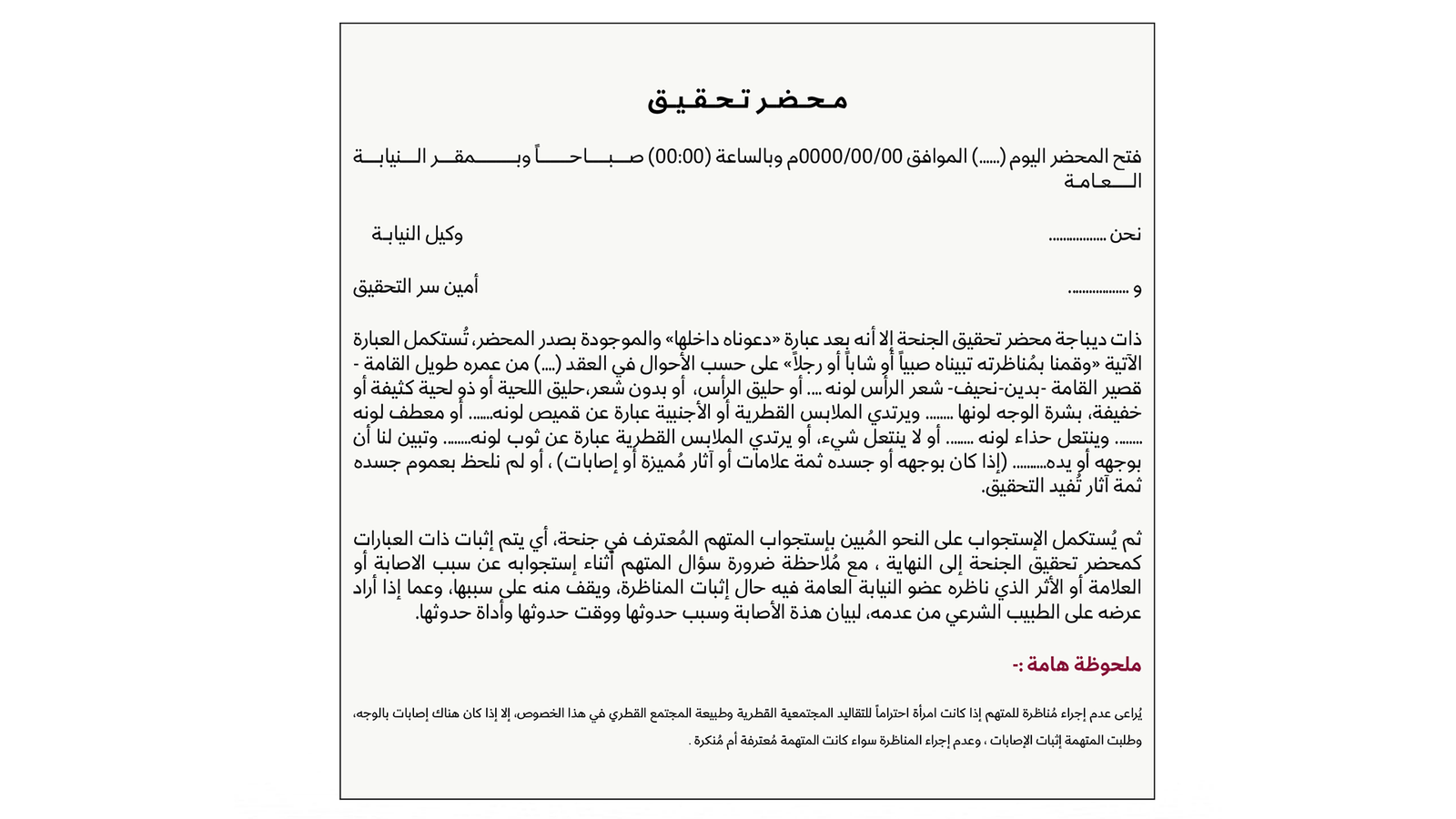
The key provisions of the Social Insurance Law and the Military Retirement Law in Qatar.

Expatriate Pension Systems

A report by the European Trade Union Institute and the Research Center of the European Trade Union Confederation concluded that migrant workers from third-world countries, who work for short periods in the European Union, face significant challenges in accessing social security systems despite their financial contributions. These systems include healthcare, unemployment benefits, and pensions, but workers are often excluded due to complex requirements, such as residency duration or being classified as temporary workers.

The report highlighted that some countries, like Denmark, require foreign workers to cover their living expenses and revoke their visas when their employment ends, depriving them of their rights.

In Germany, seasonal workers, particularly in the agricultural sector, face precarious conditions due to their exclusion from social security systems.

Dr. Hassan Al-Ali, in an article published in Al-Sharq newspaper titled “Reforming Pension Systems”, noted that Gulf pension systems are recognized for their generosity. They allow early retirement and provide high pensions, ensuring substantial social welfare. However, these systems face sustainability challenges due to economic transformations aimed at diversification and strengthening the private sector.

Dr. Al-Ali suggested reforms such as incentivizing longer working periods, integrating expatriates and freelancers into pension systems under specific conditions to increase contributions, expanding the participant base to include freelancers and small businesses, and introducing voluntary retirement savings schemes to enhance workers’ savings and secure a better future.

In Qatar, as in other Gulf countries, the pension system does not cover expatriate workers. However, expatriates are entitled to an end-of-service gratuity under Law No. (14) of 2004 issuing the Labor Law. The gratuity is calculated based on the number of years worked and the salary at the time of service termination.

Article 54 stipulates that, in addition to any amounts due to the worker upon the termination of service, the employer must pay an end-of-service gratuity to any worker who has completed at least one full year of service.

This gratuity is determined by agreement between the parties, provided it is not less than a three-week wage for each year of service. Workers are also entitled to a gratuity for fractions of a year proportional to their service duration.

Service is considered continuous if the worker returns to employment within two months of termination, except in cases specified under Article 61 of the law. The last basic wage of the worker is used as the basis for calculating the gratuity.

Employers are permitted to deduct any amounts owed by the worker from the gratuity.

Article 61 specifies that employees may forfeit their end-of-service gratuity only in certain cases, such as misrepresentation of identity or nationality, submission of forged documents or certificates, or gross negligence causing significant material losses to the employer.

For such deprivation to apply, the employer must report the incident to the relevant authorities no later than the end of the next working day. Deprivation may also occur if the employee repeatedly violates workplace safety instructions after written warnings, provided these instructions are clearly written and prominently displayed.

Other grounds for deprivation include repeated failure to fulfill essential obligations under the employment contract or law despite written warnings, disclosure of company secrets, intoxication or drug use during work, and assault on the employer, manager, or colleagues.

Additionally, unjustified absence exceeding seven consecutive days or 15 intermittent days within a year may lead to forfeiture of gratuities. Workers may also lose gratuities if convicted of crimes involving dishonesty or moral turpitude.

In Morocco, Minister Delegate for Moroccans Abroad Abdelatif Maazouz introduced the supplementary pension system “Rokour” to Moroccan expatriates. This initiative aims to provide basic or supplementary pensions to improve the economic and social conditions of Moroccan migrants.

The “Rokour” Supplementary Pension System

For any pension system to succeed, two key conditions must be met. Workers must contribute a portion of their monthly income to the pension fund for a reasonable number of years, and the workforce must significantly outnumber retirees.

Achieving this balance requires a demographically healthy pyramid, with young people forming the majority and the elderly a minority. Consequently, the family remains the primary safety net for ensuring a successful pension system.

In conclusion, it is people who drive the economy, not the other way around.

Rand Saad
Rand Saadhttp://www.qawl.com
لم تكن تدري أن فن العمارة سيفتح لها باباً آخر تصمم فيه مدخلاً لجمهور المنصات، ونافذةً للتفاعل والآراء، ومشربية تحد من الجهل، وقوس متكأ على أعمدة العلم والمعرفة، لتصبح حجر زاوية للجميع.
RELATED ARTICLES

1 COMMENT

LEAVE A REPLY

Please enter your comment!
Please enter your name here

Most Popular