It is certain that evil in all its forms, including bullying, will not disappear from the world; therefore, we must learn—and teach our children—how to recognize it, how to avoid it, and, when necessary, how to resist it.
Also available in:العربية

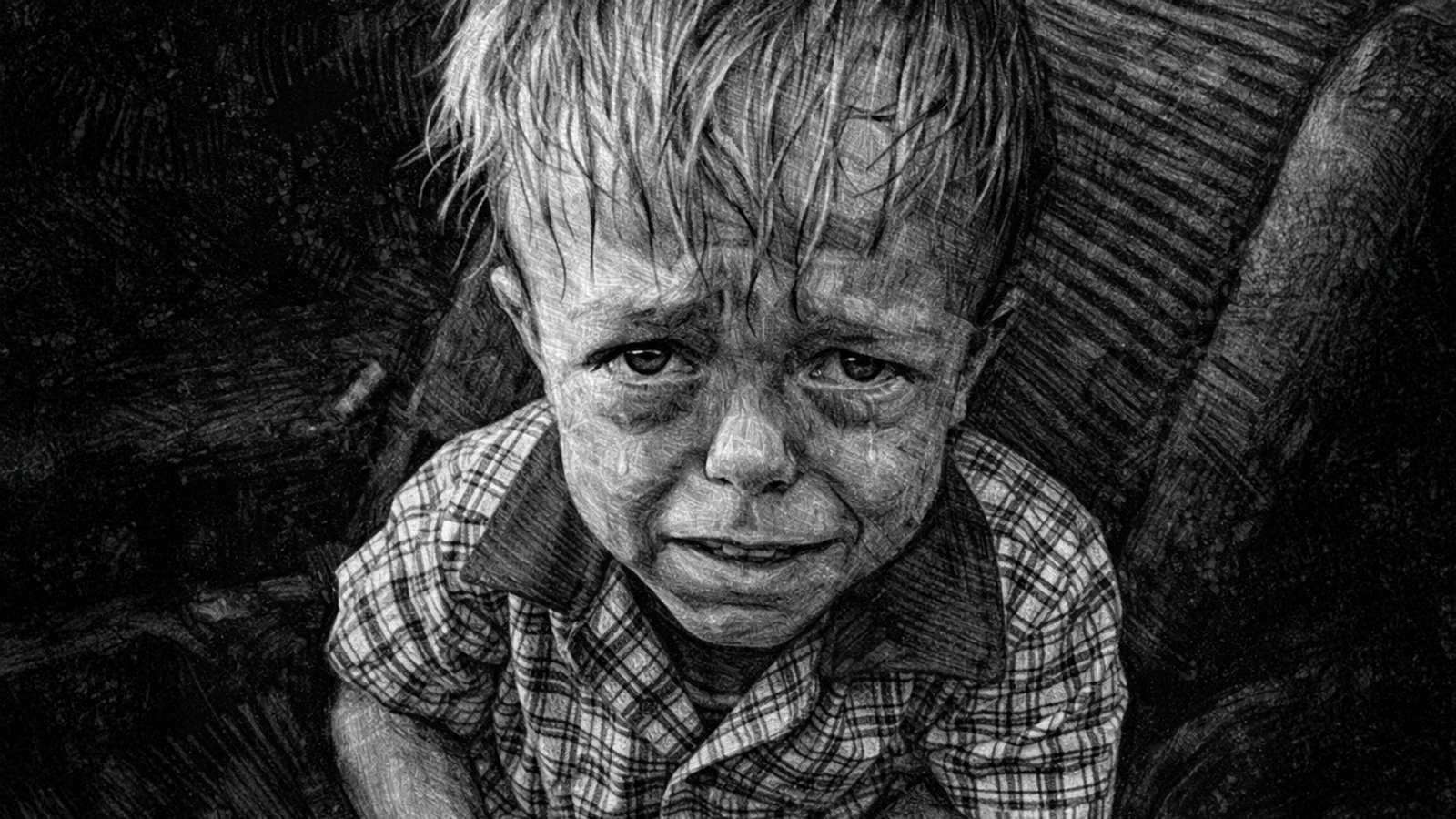
Born in 2010 with dwarfism, Quaden Bayles, a child from one of Australia’s Indigenous tribes, suffered from people’s stares and being photographed because of his different appearance, and he was repeatedly subjected to bullying and humiliating mockery at school.
I was deeply moved, as were millions around the world, by the video his mother shared in 2020 showing him crying bitterly after returning from school due to the daily bullying he faced from his classmates.
Personally, I was repeatedly subjected to bullying during my childhood by classmates in Egypt, in the form of mockery or various comedic nicknames directed at me—often because of my small size or my shy, introverted nature and polite behavior.
I used to cope with these attempts to belittle me through a defensive psychological strategy that interpreted such bullying as stemming from malicious, resentful souls. Deep within, I met it with hidden disdain and inner superiority, accompanied by strong self-confidence—like a high defensive wall that prevented these breaches from getting through.
There was always someone alongside these bullies who volunteered to play the role of the heroic savior for me, a role I went along with out of courtesy and gratitude rather than from any genuine feeling of needing protection.
Certainly, I never resorted to physical confrontation to defend myself—perhaps due to being raised in a purely female environment, among a mother, a grandmother, and a sister, in the absence of a male role model because of early orphanhood at the age of six.
What surprised me, however, in a conversation with a Qatari friend, was the bullying he endured at school—not because of any deficiency, but because of his distinction: his good looks, academic excellence, and local and international achievements in swimming.
Contrary to my inward strategy, this friend—as he told me—responded with overt, practical action rather than an internal psychological stance. He did not hesitate for a moment to beat up anyone who bullied him, knocking them to the ground and even keeping them away from school for several days, bedridden.
Susan Chenery and Rebecca Armstrong write in an article on the CBC website titled Don’t Call Me Cute: Dwarfism child Quaden Bayles and his mother Yarraka tell the truth behind going viralthat in one instance in 2020, when he was nine years old, Quaden suffered a psychological breakdown. His mother filmed him crying because of the bullying he endured—so severe that he said in the video posted by his mother on Facebook, seeking help, that he wanted to kill himself. His story thus became a global issue, drawing widespread sympathy from celebrities and the general public alike.
The two writers add that, at the same time, a wave of doubt and online attacks emerged accusing the family of lying, prompting them to seek lawyers to remove abusive content. Despite the pressure, the family decided to donate most of the contributions to charitable organizations. Later, Quaden returned to school under a special support plan, and his mother expressed her desire for legislation to protect children with disabilities from bullying, while Quaden dreams of living a normal life and helping others when he grows up.
In an article by Lisa Scott and Erin Simpler on the RNZ website titled Furiosa actor Quaden Bayles says ‘I am a completely different person’ , published four years after the bullying video went viral, they note that Quaden’s life has changed significantly in the years since. He entered the world of acting in Hollywood and appeared in films including Three Thousand Years of Longing and Furiosa, with many praising his abilities and renewed confidence.
According to an episode of the program Australian Story on ABC titled Warrior Puppy | Quaden Bayles, his story transformed from that of a child torn apart by bullying into a story of hope and change. He gained a larger platform to raise awareness against bullying and promote acceptance of others, and today he is cited as one of the most prominent examples of the impact of bullying and how it can be confronted, pushing toward a more respectful educational and social environment.
This happy ending in Quaden’s story is not inevitable; in fact, the opposite is more common. Otherwise, bullying would not be such a widespread phenomenon across all societies without exception—even in countries that champion human rights.

According to the website Etymonline, an online dictionary that explains the origins of English words and when they first appeared and how their meanings evolved historically, the word bully—which has recently come to be translated into Arabic as tanammur (bullying)—first appeared in the English language in the 1530s with the meaning of “sweetheart” or “brother,” and may have been derived from the Middle Dutch word broeder. However, by the 1680s the meaning had deteriorated to signify harassing the weak, and also came to refer to a pimp who protects a prostitute, and more recently to the modern sense of bullying.
As for the Arabic word tanammur (تنمّر), a study titled Bullying in the Arab World: Definition, Perception, Public Health Impacts, and Interventions found that it is an old Arabic word not neglected by authoritative dictionaries, originally meaning to imitate a tiger in ferocity, sharpness, and aggression. However, the modern meaning of the term as a translation of bullying—that is, repeated aggression against those who are psychologically or socially weaker—was not commonly used in contemporary Arabic until relatively recently. It became established in the second decade of the twenty-first century with the spread of discussions around school violence. Before the term tanammur became widespread, other words were commonly used, such as mockery, harm, assault, oppression, harassment, or thuggery.
The study examines the phenomenon of bullying among Arabs residing in the State of Qatar through two studies. In the first, 36 adolescents of different Arab nationalities participated in discussion groups around three scenarios without using the word tanammur. The results showed that most participants focused on the intent to cause harm and the imbalance of power in describing the behavior, with noticeable differences particularly between Egyptians and others. Participants also frequently used words such as ta‘addi (transgression), while the use of the term tanammur was rare.
The second study included 117 students, where researchers observed that students studying in English tended to use the term bullying, while Arab students preferred to describe the behavior as “bad behavior.” The findings indicate that the term tanammur is not yet firmly established in Arabic, and that there is a need for a clearer, culturally compatible Arabic term to support awareness and the development of effective policies and interventions to reduce bullying.
According to the website of the United Nations Children’s Fund (UNICEF), bullying is defined as a form of violence committed by a child or a group of children against another child in a deliberate and repeated manner. It may take the form of rumors, threats, physical, verbal, or online abuse, social exclusion, or any behavior intended to cause harm.
Not every conflict or joke constitutes bullying; three essential elements must be present: the behavior must be intentional, repeated, and based on an imbalance of power between the parties involved.
Children who differ in appearance or social background, or who have disabilities, are often more vulnerable to bullying, which can lead to serious consequences such as low self-esteem, declining academic performance, isolation, anxiety, depression, and in severe cases, attempts at suicide.
Among the causes of bullying among children, as often noted by the website of the United Nations Children’s Fund (UNICEF), are multiple psychological and social factors. Many bullies were themselves victims of bullying at an earlier stage, or they join groups that engage in bullying in pursuit of popularity, social acceptance, or to avoid becoming victims themselves.
A child may also learn aggressive behavior from their home or school environment, or from the media. Family neglect or a strained relationship with parents may push a child to seek psychological compensation by exerting control over others.
At times, a child may resort to bullying due to feelings of weakness or helplessness in their own life, in order to gain a sense of power. Jealousy, the desire to attract attention, or a lack of emotional security may also play a role.
Such behavior may stem from previous experiences that reinforced the idea that bullying is an effective way to achieve one’s desires, in addition to a lack of awareness of the psychological and social harm this behavior causes to victims.
Bullying does not harm only the direct victim. When another child witnesses a bullying incident without being able to intervene, they are often psychologically affected despite not being the primary victim. They may feel guilt, helplessness, or inadequacy for not helping, or assume that someone else will intervene, leading to passive behavior. They may also be friends with the aggressor and fear losing that friendship. As a result, they live in constant anxiety and fear of becoming a target themselves if they step in to stop the abuse.
According to UNICEF, addressing bullying involves four main parties: children and adolescents in general, the parents of the child who is being bullied, the parents of the child who is bullying others, and teachers.
For children and adolescents, UNICEF explains that the first step is to report any case of bullying or abuse, emphasizing that doing so is a brave act worthy of respect. They should distance themselves from individuals or groups known for bullying, even if they are friends or close acquaintances. Those who feel afraid are advised not to be alone or in unsupervised places. If the abuse is verbal, responding with insults should be avoided, as this empowers the bully and escalates the problem. If the abuse is physical, personal safety should be prioritized, self-defense used if necessary, and help sought from a trusted adult. Children are encouraged to talk to someone they trust, such as a parent or teacher, and to contact a child helpline for additional support if they are unsure how to handle the situation.
For parents of bullied children, the website offers guidance, noting that many children do not tell their parents what is happening due to fear, embarrassment, or not realizing that what they are experiencing is bullying. They may also fear restrictions on their internet use if the bullying is online. Signs that a child may be experiencing bullying include unexplained injuries, refusal to go to school, noticeable changes in behavior or mood, anxiety, isolation, declining academic performance, frequent physical complaints, and in some cases, the child beginning to bully others at home.
When bullying is discovered, parents are advised to listen calmly and empathetically without blame or criticism, seek to understand the details, and gather information. They should then communicate calmly with the school to ensure the situation is being followed up and the child is protected, while acknowledging and appreciating any positive steps taken. It is also recommended to involve the child in developing a plan to deal with the situation, train them in safe responses and reporting incidents, and monitor their well-being regularly to ensure improvement.
Preventive advice includes educating children about bullying, teaching them that they deserve respect, strengthening their self-confidence, and creating a safe family environment where they can speak freely about their feelings and experiences. Parents should also raise awareness of different forms of bullying, including cyberbullying, establish safe rules for internet use, support children’s participation in social activities, and encourage them to stand up for others when needed. Finally, parents are reminded that seeking help from specialized authorities is a valid option if they are unsure how to respond.
Regarding aggressive children who bully others, the UNICEF Egypt website presents a set of signs that may indicate a child is engaging in bullying behavior. These include a tendency to justify violence or act aggressively, a desire to dominate others, arrogance and selfishness, a lack of empathy for others’ feelings, manipulation of others, or breaking rules without concern.
The site also emphasizes that some children may not display these behaviors in front of their parents. Therefore, repeated complaints from the school or other parents should be taken seriously. Once it is confirmed that a child is bullying others, parents are advised to address the issue seriously, without denying or justifying the behavior. They should listen calmly to the child to understand their motives, while clearly emphasizing that bullying is a deliberate and unacceptable behavior under any circumstances.
Parents are further encouraged to explain the dangers of bullying and its impact on others, and to set clear consequences if the behavior is repeated, without resorting to violence or harshness, as this would reinforce the idea that aggression is a way to solve problems. They are also advised to encourage positive behavior when the child shows cooperation or kindness toward others, to develop the child’s capacity for empathy, and to support them through beneficial social activities that enhance self-esteem and constructive contribution to others. Continuous monitoring of the child’s behavior is essential, without ignoring any signs of relapse.
If bullying behavior persists despite attempts at correction, UNICEF recommends seeking the help of a psychological specialist to support both the child and the family in overcoming the issue. The site also notes that support can be requested through the Child Helpline in Egypt when needed.
The website also provides guidance for teachers on how to deal with bullying cases within schools. It stresses the importance of taking any report of bullying seriously, thanking the student who reports being bullied, reassuring them that they are not at fault, showing empathy, and helping them feel safe. This should be followed by taking appropriate action against the bully, communicating with parents, maintaining regular follow-up, and seeking external assistance such as a school social worker or a child helpline if necessary.
To reduce bullying in the classroom, teachers are advised to educate themselves about bullying and share knowledge with colleagues, establish clear anti-bullying rules and warn students of the consequences, create a friendly and positively engaging classroom atmosphere, monitor children who are most vulnerable to bullying and encourage peers to support them, use role-playing activities with students to develop plans for addressing bullying, and inform students that the teacher is always available to help.
The site also explains how to deal directly with a child who bullies others by listening to them, making it clear that their behavior is unacceptable, helping them understand the reasons behind it, teaching them empathy toward others, encouraging them to repair the harm they caused (such as by apologizing), acknowledging any positive change in their behavior, and coordinating with the family to develop a joint action plan.
Additionally, there are guidelines for immediate action when a bullying incident is observed, starting with ensuring the children’s safety, calming them down, responding firmly without aggression, emphasizing the school’s efforts to raise awareness among students, giving positive behavior the same level of attention as academic performance, training staff, and involving parents and students in awareness-raising and bullying prevention efforts.
In an article on the UNESCO website titled School Violence and Bullying: A Major Global Problem based on a new UNESCO publication reviewing a report entitled Behind the Numbers: Ending School Violence and Bullying , UNESCO affirms that school violence and bullying constitute a major global issue affecting millions of students worldwide. Drawing on extensive data from global surveys covering 144 countries, the report found that approximately one in three students has experienced bullying or physical violence from peers, while about 10% of students are exposed to cyberbullying. UNESCO emphasizes that this phenomenon exists in all regions of the world and takes multiple forms, including psychological, physical, and sexual violence.
The report indicates that bullying and school violence lead to serious educational and psychological consequences, such as poor academic performance, school dropout, anxiety, depression, sleep disorders, and in some cases even suicidal thoughts. It also notes that students perceived as different because of their appearance, race, identity, or social status are more vulnerable to bullying.
Despite this alarming picture, the article notes that some countries have succeeded in reducing bullying rates through clear policies, teacher training, effective reporting systems, psychological support for students, and the creation of safe and inclusive school environments. It stresses the importance of cooperation between schools, families, and the wider community, and affirms that addressing school violence is essential to achieving the Sustainable Development Goals, particularly quality education and peaceful societies.
In my personal view, bullying is not merely an individual behavior between students, but rather reflects a broader social and cultural context. The absence of educational values, lack of awareness of the importance of respect, and the absence of supportive school environments all contribute to making bullying a reality that hinders the educational process and weakens social cohesion.
Accordingly, combating bullying requires a comprehensive approach that includes awareness, education, school policies, and cooperation between schools, families, and civil society to ensure safe environments that promote respect and enjoyment in learning. This makes the fight against bullying an urgent moral and educational necessity if we seek healthier and more just societies.
It is certain that evil in all its forms, including bullying, will not disappear from the world; therefore, we must learn—and teach our children—how to recognize it, how to avoid it, and, when necessary, how to resist it.
It is certain that evil in all its forms, including bullying, will not disappear from the world; therefore, we must learn—and teach our children—how to recognize it, how to avoid it, and, when necessary, how to resist it.