





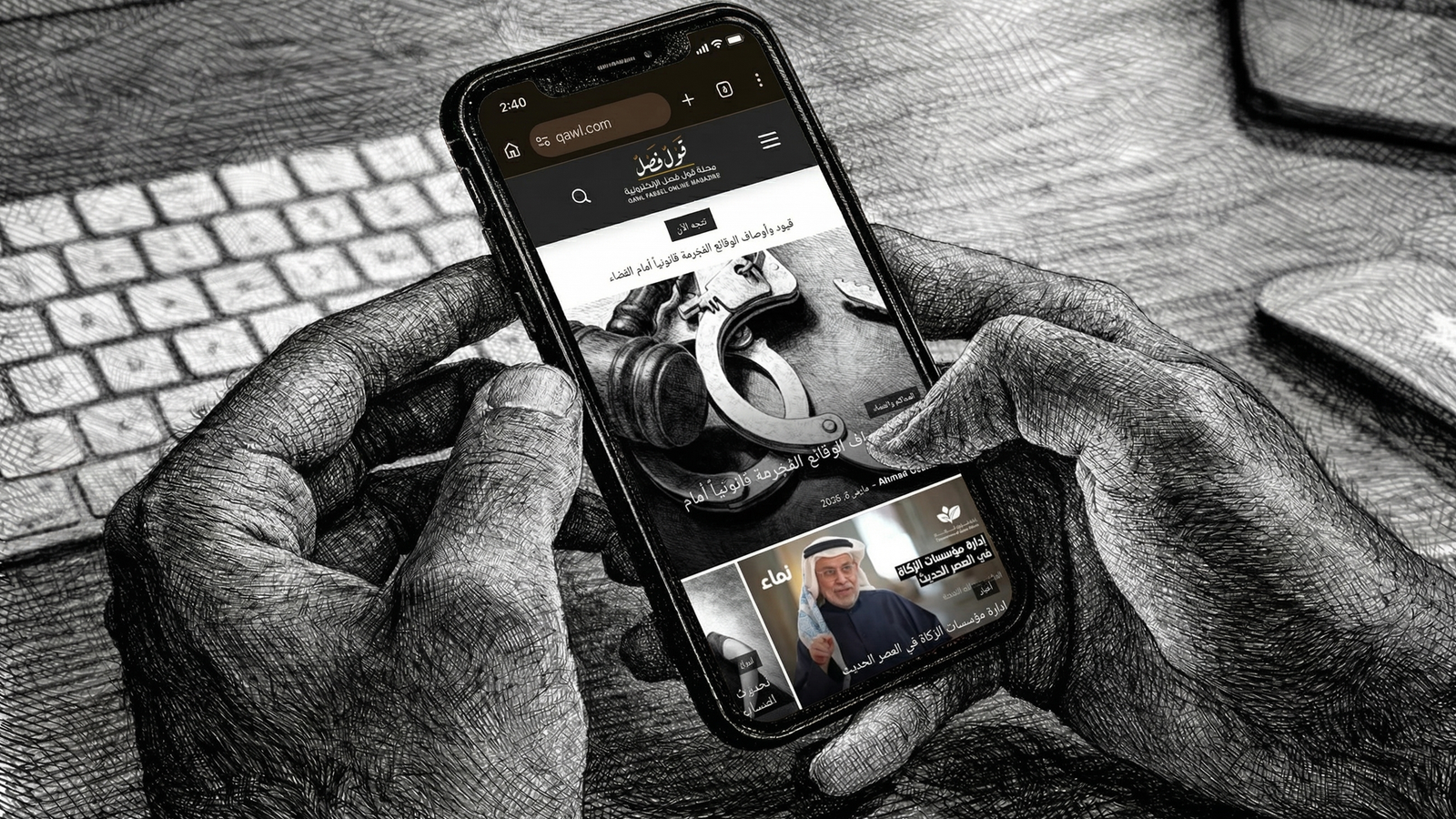
Qawl Fassel Online Magazine has released its eleventh issue, featuring a collection of articles addressing various legal, social, media, and cultural topics, as part of the magazine’s effort to provide analytical content that examines contemporary phenomena from multiple intellectual perspectives.
In the Courts and Judiciary section, an article titled Legal classification and description of criminal incidents before the courts by Ahmad Okbelbab discussed the difficulty of legal language, clarified the difference between a criminal act and a criminal incident, and highlighted the importance of accurately describing facts in court, as well as the role of criminal procedures in protecting rights, ensuring the integrity of investigations, and achieving justice.
The same section also included the article The Cheque Between Payment and Guarantee by Yousef Al Hamadi, which examined the legal nature of the cheque as either an instrument of immediate payment or a deferred guarantee. The article reviewed the regulations and legislation governing cheques in Qatar, explained the risks associated with bounced cheques, referred to comparative Arab experiences, and discussed civil and banking alternatives that enhance trust and reduce penalties that may lead to imprisonment.
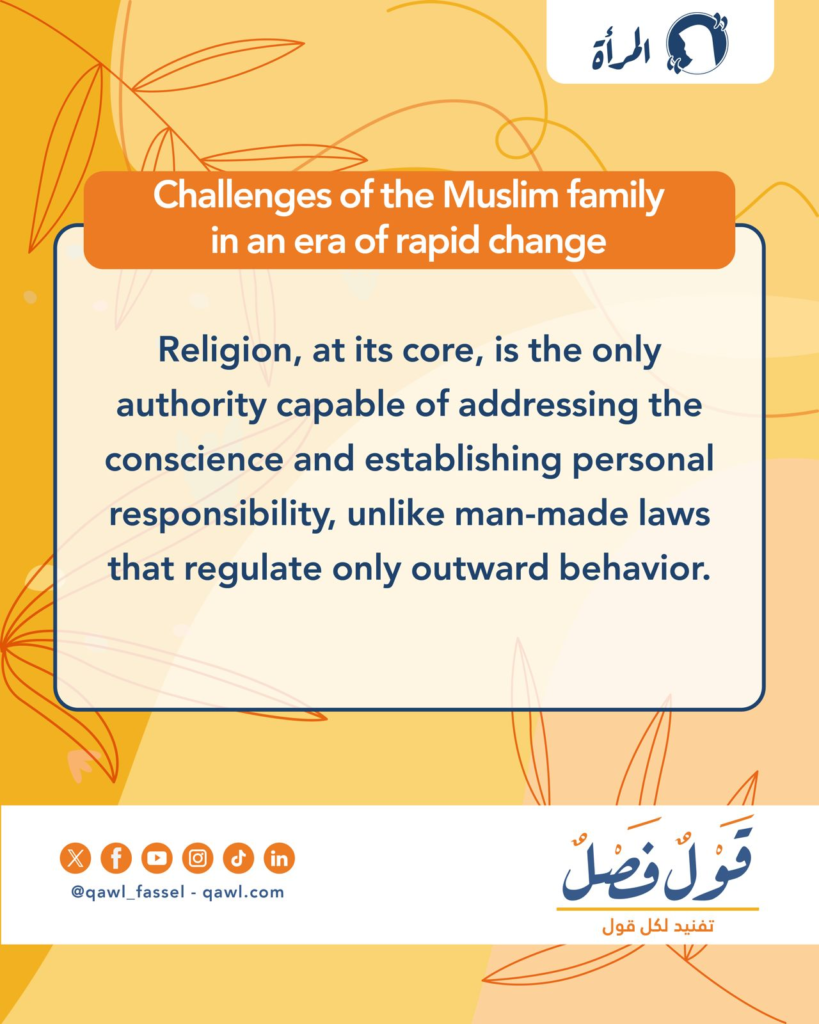
In the Women section, the magazine published two articles. The first, titled Challenges of the Muslim family in an era of rapid change by journalist Huda Mohammed, discussed the third session of the program “And He Made Them Secure from Fear,” organized by the Ministry of Endowments and Islamic Affairs in Qatar during Ramadan 1447 AH. The session brought together a group of specialists who discussed the challenges facing Muslim families amid intellectual, social, and technological transformations. They addressed issues such as the impact of individualism and digital isolation on weakening the family’s educational role, and emphasized the need for integration between the home, the mosque, the school, and the media to strengthen the psychological, faith-based, and moral resilience of younger generations in this rapidly changing era.
The second article in the Women section, titled Is there a place for the term “harassment” in Arab laws? by Rand Saad, presented a comparison between legal terms used in Arab legislation that resemble the concept of harassment, such as indecent acts, assault, and physical assault. The article reviewed Arab and Western cases related to harassment crimes, and explained the role of legislation, digital evidence, and investigative methods in detecting and criminalizing such acts.
The Crimes section included two articles. The first, titled The Fraud Industry in the Digital Age by Ahmad Okbelbab, examined the phenomenon of digital fraud and its methods, including phishing, identity theft, and investment scams. It also presented real-life cases of victims, discussed the psychological factors exploited by fraudsters, and highlighted the importance of public awareness, digital evidence, and legal frameworks in combating these crimes and reducing their impact.
The second article in the Crimes section, titled A Year of Organized Chaos in the World of Cryptocurrencies by the same author, explored the origins and development of cryptocurrencies and their major crises in 2025. It examined platform collapses, stablecoin failures, cases of fraud, and large-scale asset seizures, highlighting the growing legal and regulatory debate surrounding the future of this sector between innovation, disorder, and accountability.
In the Children section, the magazine published an article titled The Reality of Sextortion in the Digital World by journalist Huda Mohammed. The article shed light on the crime of cyber sexual extortion targeting children and adolescents, explaining the methods of grooming and intimidation and their psychological and social consequences. It also emphasized the role of families, digital awareness, and legal frameworks in prevention, breaking the silence, and protecting victims from exploitation, stigma, and repeated blackmail.
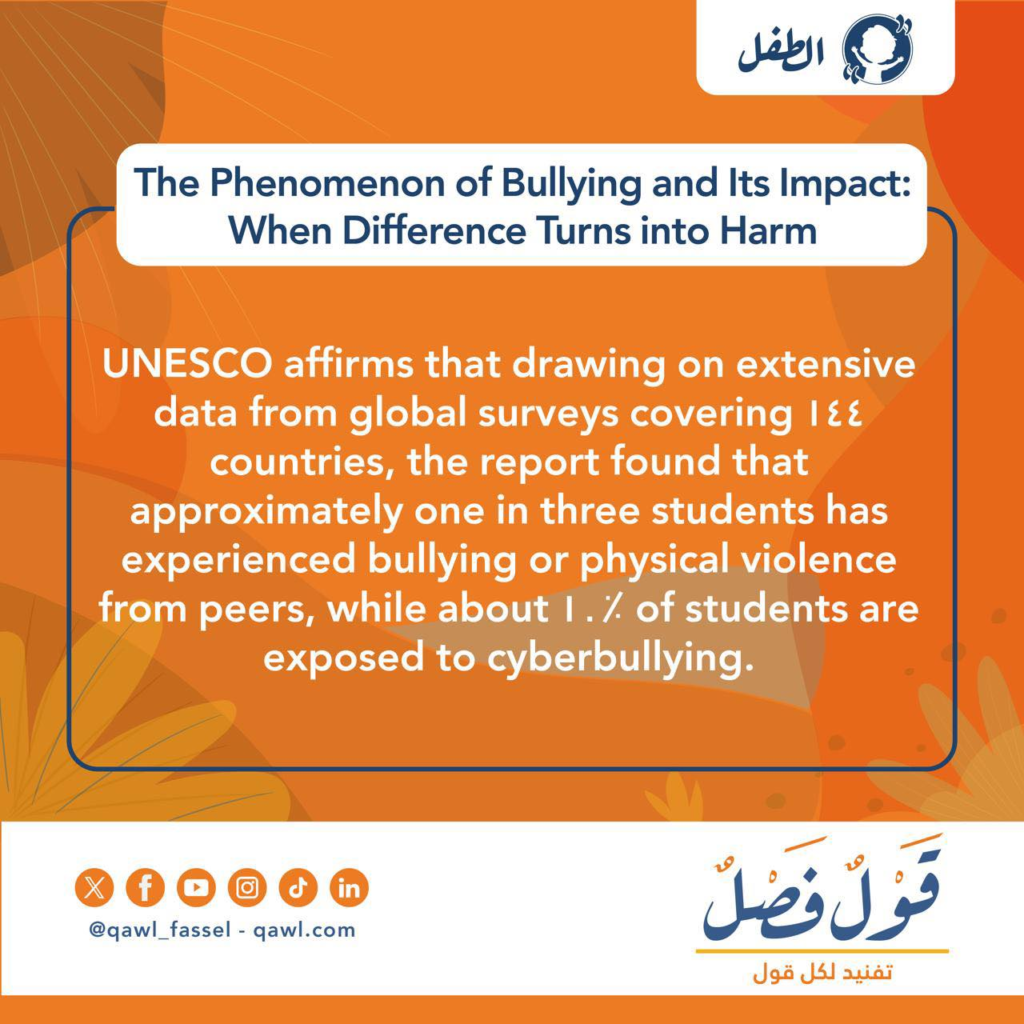
In the same section, Ahmad Okbelbab also addressed the topic in an article titled The Phenomenon of Bullying and Its Impact: When Difference Turns into Harm, describing it as repeated violence targeting those who are different or more vulnerable. The article examined the psychological, educational, and social effects on victims and witnesses, discussed its causes, presented real-life experiences, and explored ways to prevent it through the roles of the family, school, and society.
The Locals section included an article titled Employee Development in the Age of Artificial Intelligence by Rand Saad. The article discussed the importance of continuous training, institutional development, and the Qatari experience in modernizing the civil service, as well as the challenges posed by automation, transparency, and privacy, and the impact of automated decision-making on the professional and psychological future of Arab workers.
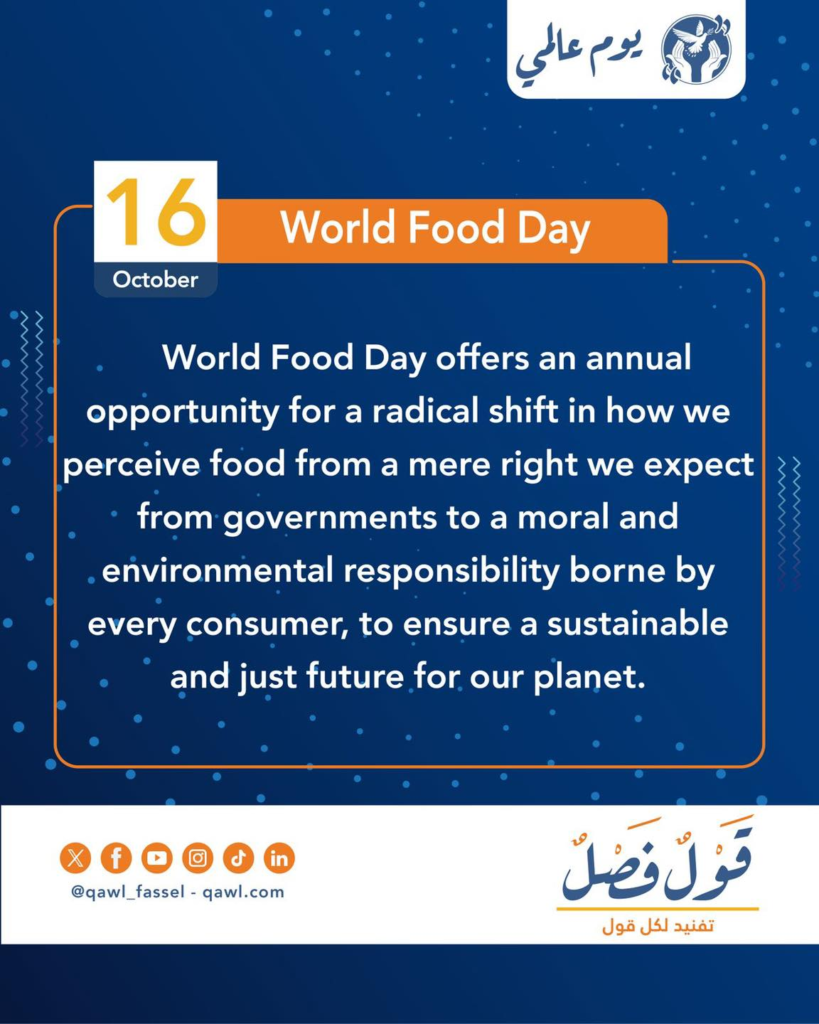
The magazine also dedicated an article in the International Day section titled World Food Day – October 16 by Ahmad Okbelbab. The article examined the dimensions of World Food Day from an environmental and ethical perspective, discussing food security, food waste, the environmental impact of animal production, and the debate over insects as an alternative food source. It also linked these issues to an Islamic perspective that calls for compassion, moderation, and responsible consumption.
In the Islamic Studies section, the magazine published an article titled The Obligation of Zakat, Its Recipients, and Its Conditions by journalist Huda Mohammed. The article addressed the religious and social dimensions of Zakat as both a financial act of worship and a social right. It explained the conditions for its obligation, its eight categories of beneficiaries, the types of zakatable wealth, the rulings related to debts, shares, and buried treasure, and the role of the state in collecting it, highlighting its objectives and its role in social solidarity and economic justice.
In the History section, writer Ahmad Okbelbab presented an article titled Neglected Islamic Intellectual Property Rights, in which he discussed the overlooked Islamic contributions to printing, philosophy, literature, and medicine. The article highlighted how much of this knowledge was transmitted to Europe without sufficient recognition of its original sources, and examined the philosophy of intellectual property between modern legal systems and the Islamic perspective, which is based on the dissemination of knowledge and discourages its monopolization.
In the History section, writer Ahmad Okbelbab presented an article titled The Lost Islamic Intellectual Property Rights, in which he discussed the overlooked Islamic contributions to printing, philosophy, literature, and medicine. The article highlighted how much of this knowledge was transmitted to Europe without sufficient recognition of its original sources, and examined the philosophy of intellectual property between modern legal systems and the Islamic perspective, which is based on the dissemination of knowledge and discourages its monopolization.
This issue reflects the diversity of topics addressed by Qawl Fassel Online Magazine, bringing together legal, social, and intellectual issues within a framework that aims to enhance public awareness and to discuss contemporary challenges through a clear, accessible analytical approach.


