
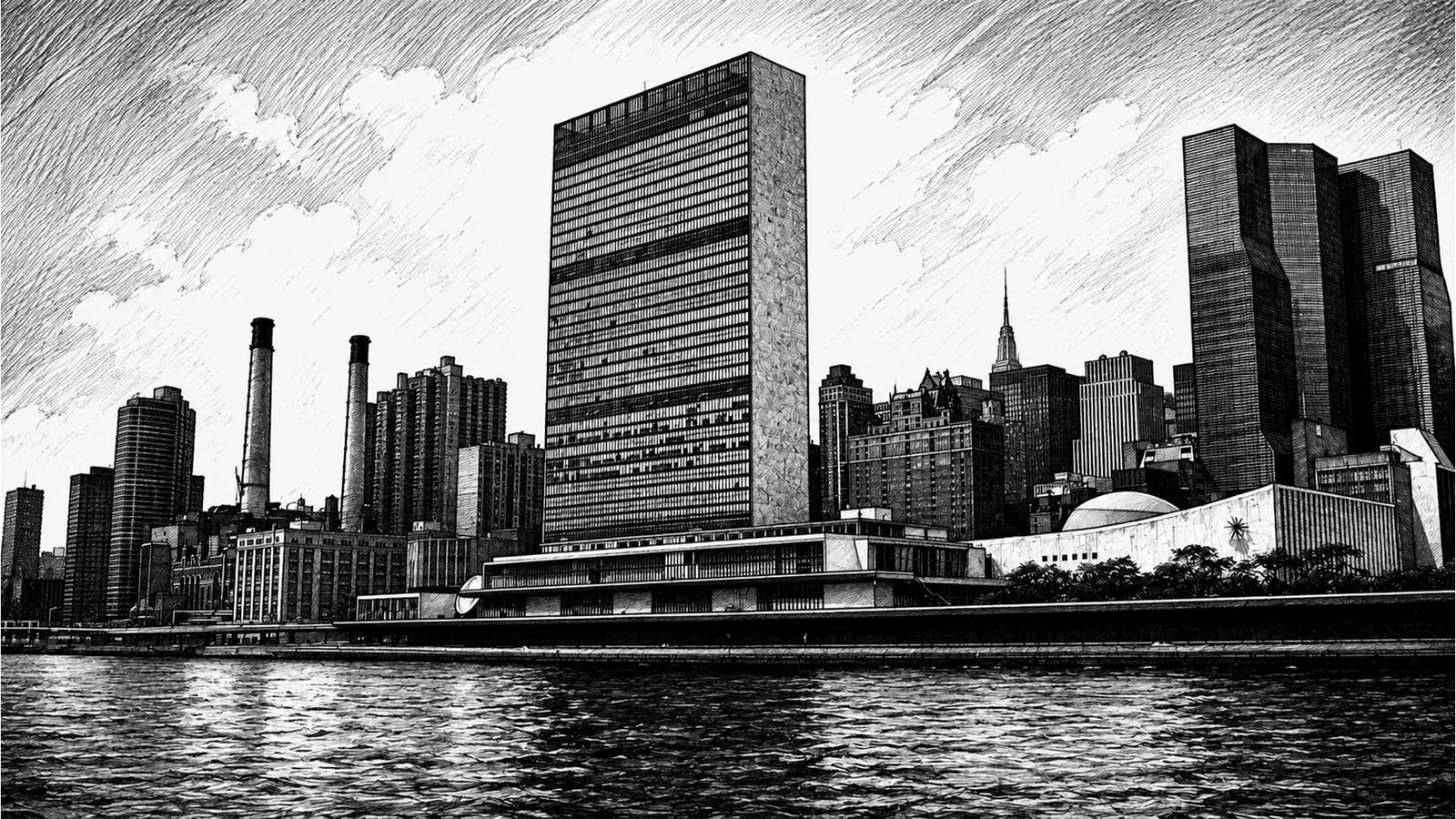
In late 2009, I traveled to the United States for the first time to attend a three-month workshop at the New York Film Academy on Manhattan Island. One day, I decided to visit the United Nations Headquarters, located less than seven kilometers north of the academy overlooking the East River.
I arrived at the famous sculpture opposite the United Nations building, known as "Non-Violence" or the "Knotted Gun." According to the United Nations, the bronze sculpture depicts a .45-caliber revolver with its barrel tied in a knot as a symbolic call to reject violence. It was created by Swedish artist Carl Fredrik Reuterswärd in 1980 following the assassination of Beatles singer John Lennon, in tribute to his memory and his vision of a world at peace. The Government of Luxembourg purchased the sculpture and donated it to the United Nations in 1988.
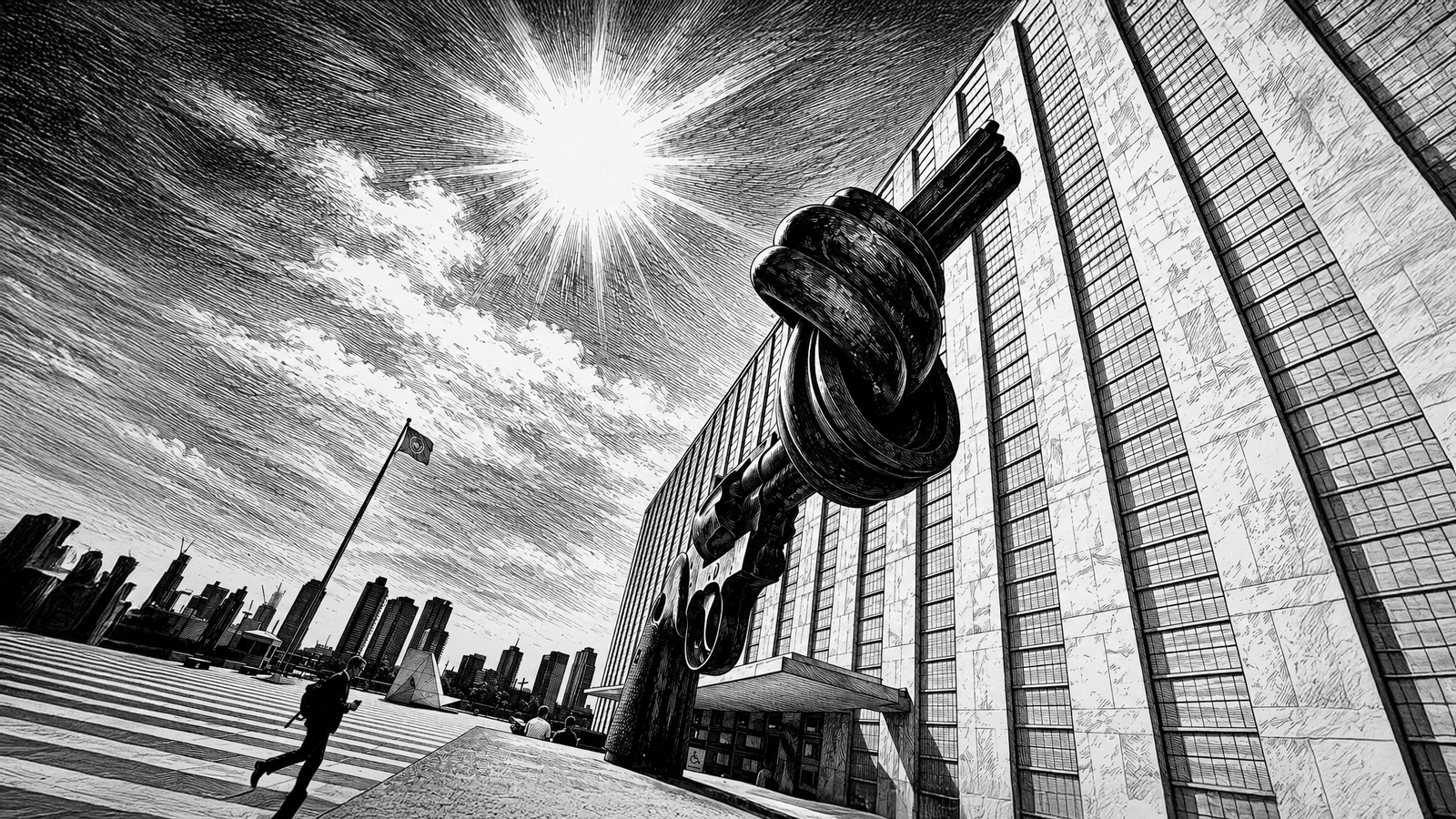
I walked through the areas of the building open to visitors. Its sharp architectural lines and visible signs of aging, after the United Nations Secretariat had occupied it in 1951 following a brief stay in temporary locations while construction was being completed, did not appeal to me. It reminded me of old government buildings steeped in bureaucracy.
I wondered whether this international administrative institution could truly serve as a refuge for the weak and the oppressed, despite the veto power—derived from the Latin word veto, meaning "I forbid" or "I refuse"—granted exclusively to the five permanent members of the United Nations Security Council.
It is no surprise that the veto remains one of the most controversial features of the international system. It was designed to ensure that the major powers remained within the United Nations, as they would not have joined the organization without this special privilege.
The veto cannot be understood in isolation from the circumstances surrounding the founding of the United Nations, the failure of the League of Nations, or the balance of power established by the Second World War in the mid-twentieth century.
When the First World War ended, the League of Nations was established as the first attempt to organize international relations and prevent the recurrence of major wars. However, the League suffered from several weaknesses, the most significant being that its decisions generally required unanimous approval to become effective. As a result, any objection raised by a single member state could block a decision.
There was no formal veto in the sense later adopted by the United Nations Security Council, but the unanimity rule effectively gave every member state its own veto. With the United States absent from the League—despite having been the driving force behind its creation—combined with weak enforcement mechanisms and its inability to deter aggressive powers such as Nazi Germany, Fascist Italy, and militarist Japan, the League effectively collapsed with the outbreak of the Second World War and was formally dissolved in 1946 following the establishment of the United Nations.
This led to the idea of creating a new international organization—stronger than the League of Nations and better equipped to deal with issues of war and peace. The crucial question, however, was how to establish a global organization that the major powers would not abandon or regard as an instrument against their own interests.
This question is the key to understanding the veto. The architects of the United Nations recognized that an international organization without the participation of the great powers would be ineffective, just as the League of Nations had been. At the same time, they understood that those powers would never join an organization capable of adopting military or punitive measures against their own interests or those of their allies.
The United Nations emerged from the ashes of the Second World War. The initiative to establish it was led primarily by the major Allied powers: the United States, the United Kingdom, the Soviet Union, and China. U.S. President Franklin D. Roosevelt was among the strongest advocates for creating a new international organization after the war. During the conflict, he used the term “United Nations” to refer to the Allied countries fighting the Axis powers.
The concept gradually evolved through a series of international conferences and agreements: from the Atlantic Charter in 1941, to the Declaration by United Nations in 1942, the Tehran Conference in 1943, the Dumbarton Oaks Conversations in 1944, the Yalta Conference in 1945, and finally the San Francisco Conference, where the Charter of the United Nations was adopted.
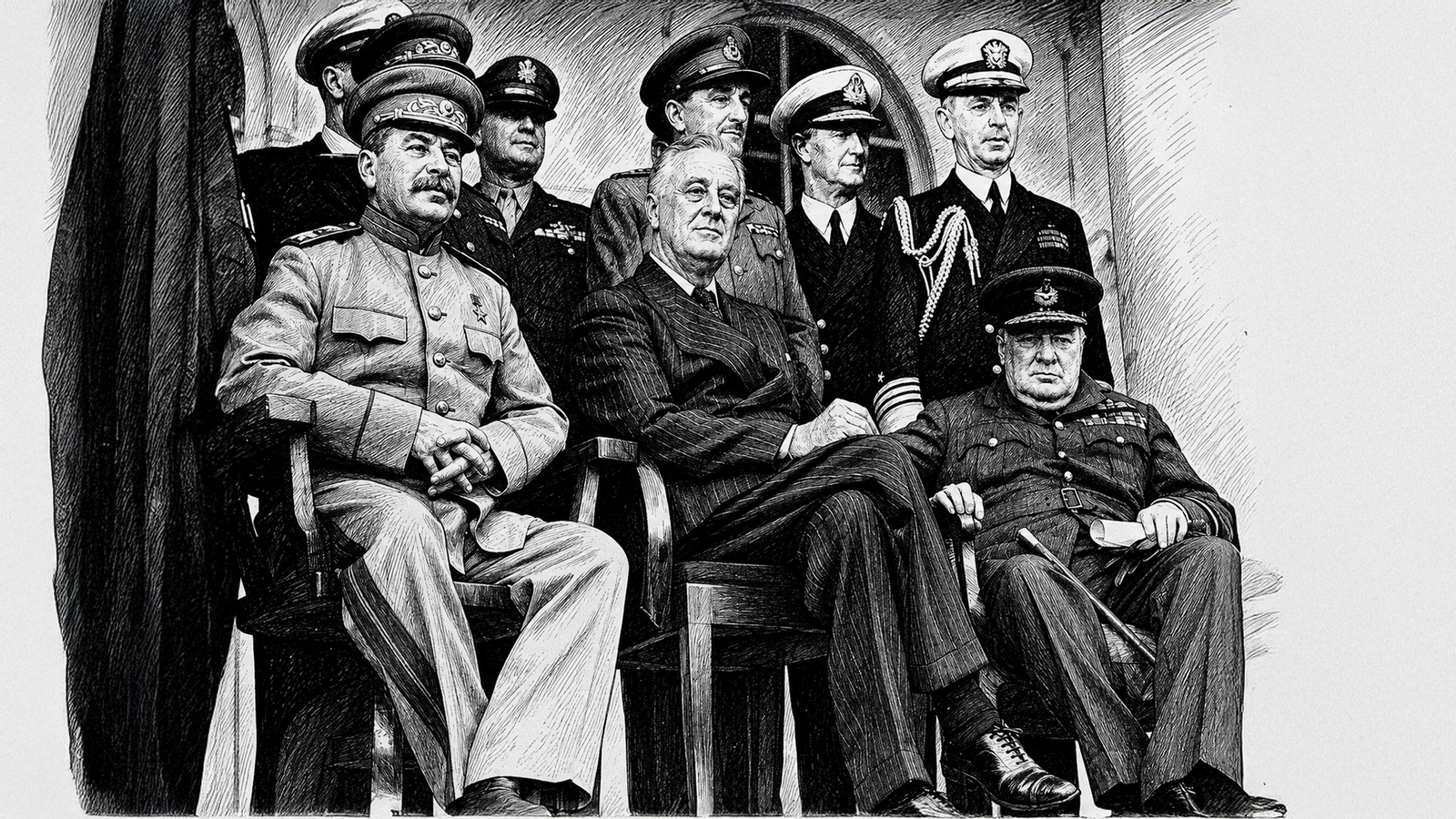
The Tehran Conference, held in Iran in 1943, was the first face-to-face meeting between the three principal Allied leaders: Roosevelt, Churchill, and Stalin. Its primary objective was to coordinate the war against Nazi Germany, particularly by planning the opening of a second Western Front in Europe to relieve pressure on the Soviet Union. Although the conference laid the groundwork for post-war cooperation, it did not settle the detailed structure of the new international organization that would later become the United Nations.
The Dumbarton Oaks Conversations, held in Washington in 1944, laid the initial structure of the United Nations. It was there that the idea took shape of a General Assembly including all member states, a smaller Security Council responsible for maintaining peace and security, an international court, an Economic and Social Council, and a Secretariat.
However, Dumbarton Oaks did not resolve the issue of voting in the Security Council, which was the central dilemma. If the Security Council was to have real authority over matters of war and peace, how would its decisions be made? Could a major power be forced to accept a decision against its will? This was the question settled at the Yalta Conference, held in 1945 in the Crimean Peninsula of Ukraine, which was then part of the Soviet Union.
At Yalta, Roosevelt, Churchill, and Stalin agreed on the voting formula for the Security Council, granting the permanent members the ability to block substantive decisions. This later became known as the veto power, although the word “veto” itself is not formally mentioned in the United Nations Charter.
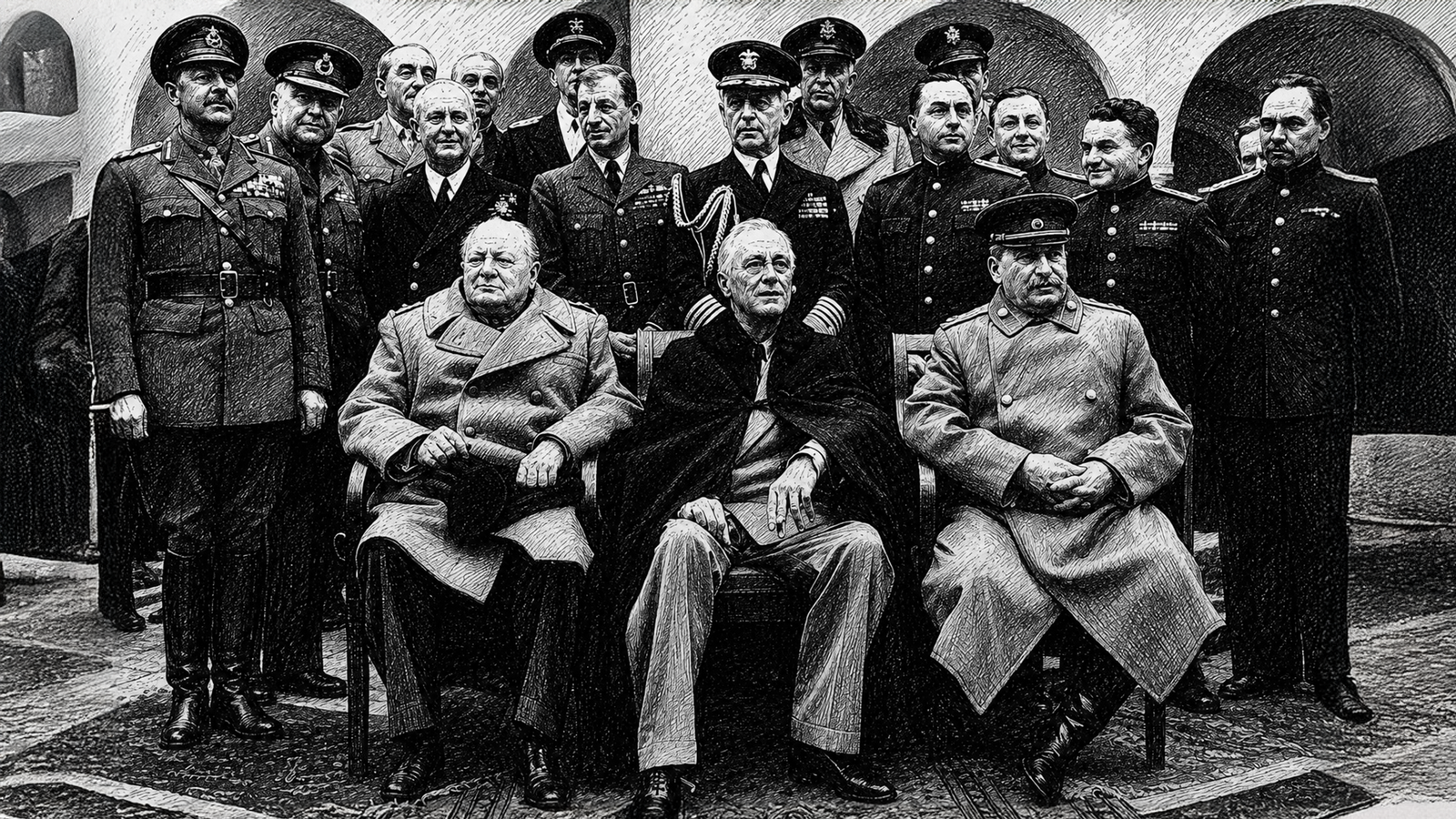
The Yalta Conference took place during the Second World War, not after it. In February 1945, Germany had not yet surrendered, although its defeat was imminent. The Soviet Army was advancing from the east, while American and British forces were pushing from the west. The central question was no longer simply how to win the war, but how to organize the world after victory.
Accordingly, the conference addressed major issues, including the future of Germany and its division into occupation zones, the fate of Poland and Eastern Europe, the Soviet Union's entry into the war against Japan, the establishment of the United Nations, and the voting system for the Security Council.
Following Yalta came the San Francisco Conference, held in mid-1945 and attended by fifty countries. Poland later became the fifty-first founding member. At this conference, the Charter of the United Nations was drafted, transforming the earlier political agreements into a binding international legal document. The Charter was signed and later entered into force on 24 October 1945, a date now officially recognized as United Nations Day.
At the heart of the Charter was the Security Council, which was entrusted with the primary responsibility for maintaining international peace and security. Initially, the Council consisted of 11 members: five permanent and six non-permanent members. In 1965, the number of non-permanent seats was increased, bringing the Council's membership to 15: five permanent and ten non-permanent members.
The permanent members are the United States, the United Kingdom, France, the Soviet Union—whose seat was later inherited by Russia—and the Republic of China (Taiwan), whose seat was subsequently assumed by the People's Republic of China. The non-permanent members are elected by the General Assembly for two-year terms, with due regard for equitable geographical distribution and each state's contribution to the maintenance of international peace and security.
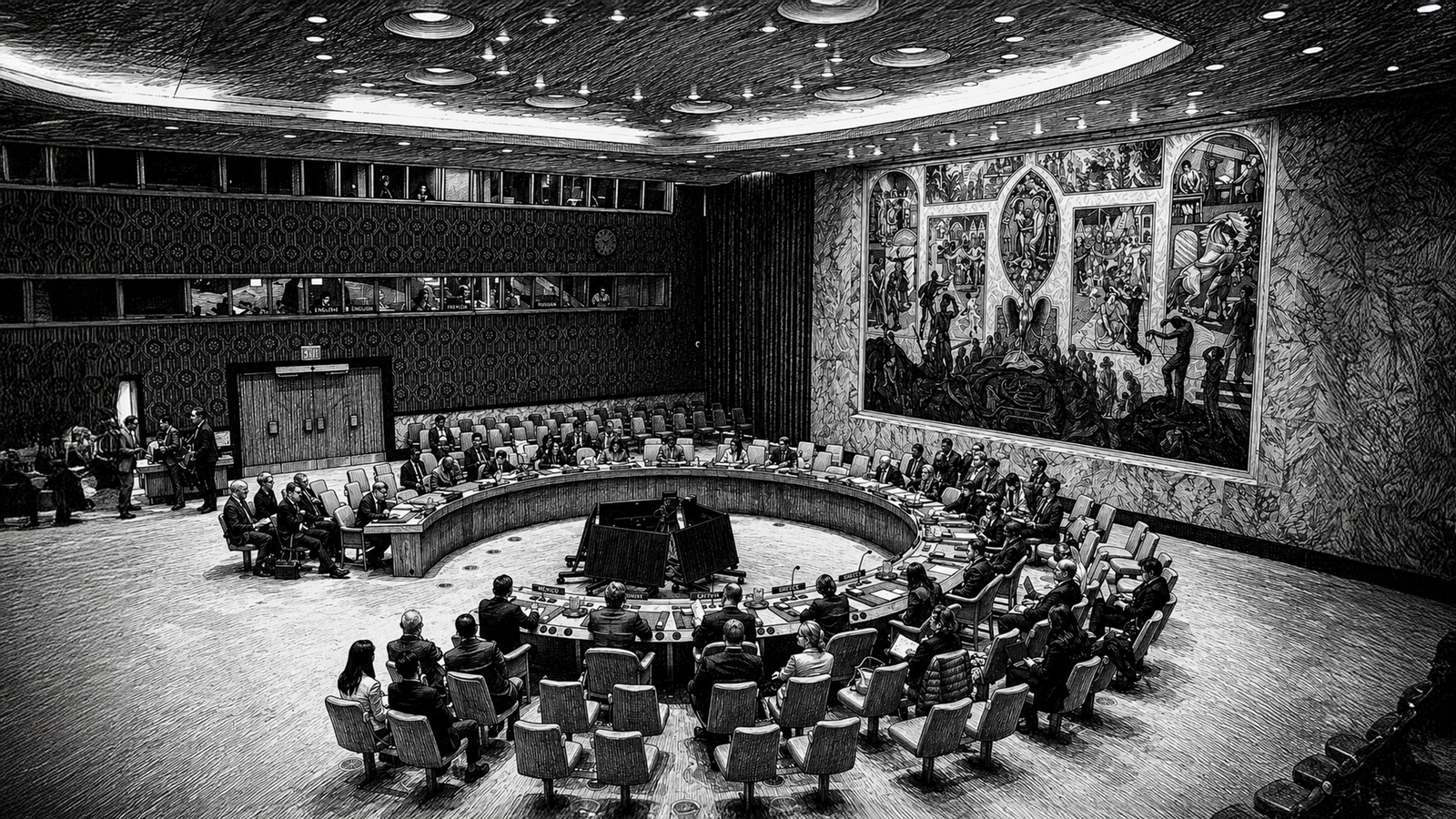
The term veto does not explicitly appear in the Charter of the United Nations. Instead, it is embedded in the Security Council's voting procedure. Decisions on substantive matters require at least nine affirmative votes out of the fifteen members, provided that none of the permanent members votes against the resolution. In other words, if a permanent member casts a negative vote on a substantive draft resolution, the resolution fails, even if it is supported by the majority of the Council. An abstention by a permanent member, however, does not constitute a veto, which is why many resolutions have been adopted despite abstentions by one or more permanent members.
The five permanent members were granted the veto because they were the major victorious powers of the Second World War. The architects of the new international system believed that international peace could not be maintained if these powers remained outside the organization or became hostile to it. The veto was therefore a political compromise: the major powers agreed to participate in the new international order on the condition that the Security Council could not adopt major decisions affecting their vital interests without their consent.
Had the United States, for example, insisted on holding the veto exclusively for itself, the Soviet Union and the other major powers would most likely have refused to join such an organization. The United Nations might never have come into existence, or it would have become an American organization rather than a truly international one.
It is also important to understand why China was included among the permanent members from the outset, despite not being an industrial power comparable to the United States, the United Kingdom, or the Soviet Union at the time. In 1945, "China" referred to the Republic of China, led by Chiang Kai-shek and based on the island of Taiwan, not the People's Republic of China, which was established in 1949 with Beijing as its capital.
The Republic of China was granted a permanent seat because it was one of the principal Allied powers against Japan, had endured years of Japanese aggression, and because President Roosevelt wanted Asia to be represented in the new international order. China's representation changed in 1971, when the United Nations recognized the People's Republic of China as the legitimate representative of China. The Chinese seat was transferred from the government in Taiwan to Beijing through the landmark General Assembly Resolution 2758, adopted at the 26th session under the title Restoration of the Lawful Rights of the People's Republic of China in the United Nations. The resolution was approved by a vote of 76 in favor, 35 against, 17 abstentions, while 3 member states did not vote.
The representatives of the People's Republic of China, together with their supporters from African countries and the communist bloc, greeted the decision with jubilant celebrations.
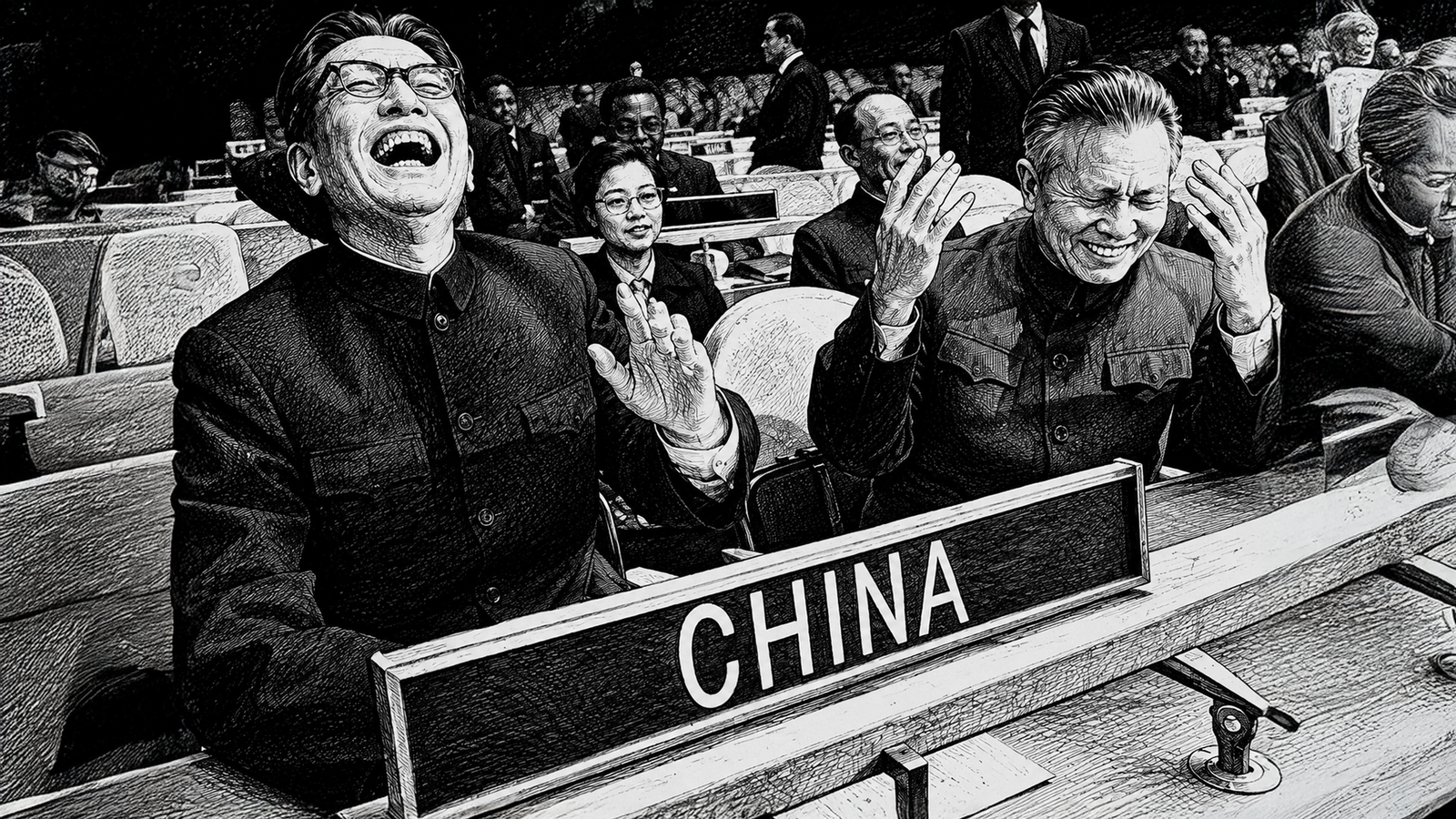
The United States, using all the influence at its disposal and backed by its allies under the leadership of its then-young Ambassador to the United Nations, George Bush, tried unsuccessfully to block the recognition of the representatives of the People's Republic of China in favor of its ally, the Republic of China (Taiwan—then home to around 15 million people), despite the People's Republic of China having a population of approximately 840 million at the time. For more than twenty-two years, the United States had consistently refused to recognize the People's Republic of China.
The reason the United States was unable to use the veto to prevent this recognition was simple: the matter fell within the jurisdiction of the United Nations General Assembly, not the Security Council. It did not concern war or an armed conflict, but rather the representation of a state by one government instead of another.
According to the United Nations, the countries that voted in favor of the resolution included most Arab, African, Islamic, socialist, and communist states, such as Algeria, Egypt, Iraq, Ireland, Kuwait, Libya, Malaysia, Syria, Tunisia, Turkey, and the Soviet Union, among others.
Among the 35 countries that voted against the resolution were the United States, Australia, New Zealand, the Philippines, Saudi Arabia, South Africa, and Venezuela.
The 17 countries that abstained included Bahrain, Qatar, Greece, Indonesia, Jordan, Lebanon, Luxembourg, Mauritius, Spain, and Thailand.
The three countries that did not participate in the vote were the Republic of China (Taiwan), which withdrew in protest before the vote was taken, the Maldives, and the Sultanate of Oman.
Interestingly, the United Kingdom, France, and Israel voted in favor of recognizing the People's Republic of China, openly breaking with the American position. The rationale was that the size, influence, economic weight, and growing global importance of the People's Republic of China were undeniable realities that could not be compared with a small island such as Taiwan. Confronting such a rising power was therefore seen as neither practical nor sustainable in the long run.
Even after the United Nations recognized the People's Republic of China in 1971, it took the United States more than seven additional years to formally recognize it. This finally occurred under President Jimmy Carter in 1979, when the United States established diplomatic relations with Beijing and explicitly acknowledged that Taiwan is part of the People's Republic of China, in accordance with the One China policy.
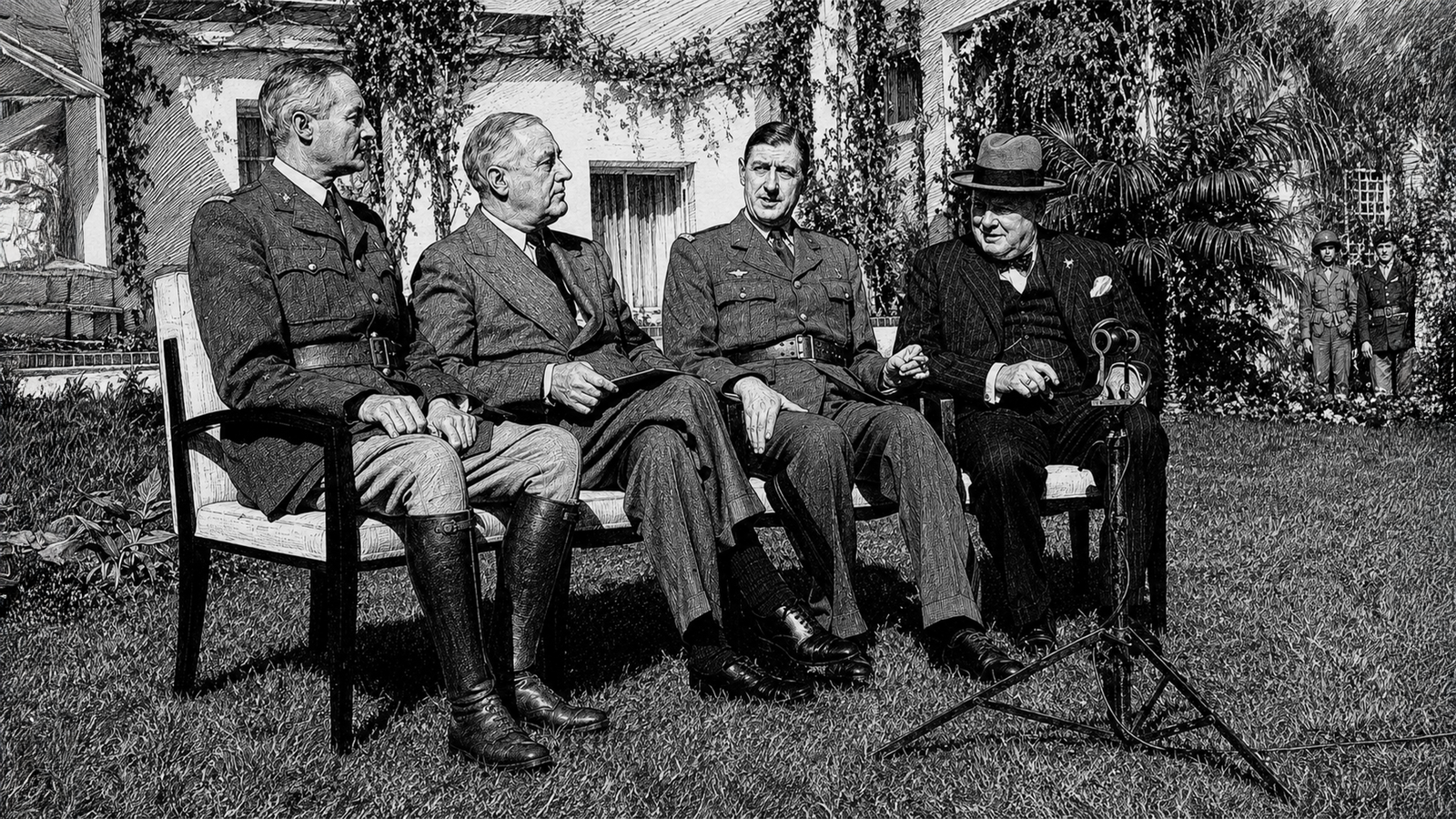
As for France, its situation was different. It was not legally delayed in joining the Security Council; rather, it became a permanent member from the Council’s founding. However, its inclusion in the conception of the major powers came relatively late, because France had been defeated and occupied by Germany in 1940, and its political authority was divided between the Vichy government and Free France under de Gaulle.
Initially, Roosevelt’s vision was based on what became known as the Four Policemen: the United States, Britain, the Soviet Union, and China. France was later included as the fifth permanent member for reasons related to restoring balance in Europe, granting France a place in the post-war order, and rewarding Free France and the French Resistance.
As for the non-permanent members of the Security Council, they do not possess the veto power, but they enjoy significant privileges compared with the rest of the United Nations membership. They sit on the Council, participate in debates, vote on resolutions, help draft texts, and may chair the Council for one month under its rotating presidency system.
They also serve on the Council's subsidiary bodies, including sanctions committees and counterterrorism committees. Nevertheless, they differ from the permanent members in two fundamental respects: their membership is limited to a two-year term, and they do not have the right of veto.
The ten non-permanent members are elected by the General Assembly, which chooses five new members every year to replace the five whose terms have expired. Elections are conducted according to regional groupings: Africa; Asia and the Pacific; Latin America and the Caribbean; Western European and Other States; and Eastern Europe. A candidate must obtain a two-thirds majority in the General Assembly. This system provides the Security Council with broader geographical representation beyond the permanent members, but on critical decisions, the Council remains subject to the will of the five major powers.
In an ironic twist of fate, Annalena Baerbock of Germany—an outspoken political, economic, and military supporter of Israel—found herself having to announce her country's loss of its regularly rotating non-permanent seat on the Security Council while presiding over the podium of the 80th session of the United Nations General Assembly, held from 9 September 2025 to 8 September 2026.
German Foreign Minister Johann Wadephul was no less enthusiastic than his compatriot Annalena Baerbock in supporting Israel. He described Germany's loss of its non-permanent seat on the Security Council as a price worth paying for the country's unwavering commitment to supporting Israel, as well as Ukraine, stressing that Germany's support for both would neither weaken nor cease.
In theory, the veto was designed to prevent direct confrontation among the major powers. If the Security Council attempted to adopt a military or punitive resolution against a major power, that power would use the veto rather than withdraw from the organization or enter into direct confrontation with it. In this sense, the veto was a tool intended to prevent the collapse of the international order, not merely a privilege. In practice, however, it has become a major cause of paralysis in the Security Council on many issues, especially when a conflict is tied to the interests of one of the permanent members or its allies.
Just as the United States has vetoed dozens of draft resolutions condemning its ally Israel, China and Russia vetoed a draft resolution supported by a majority of members and introduced by Bahraini Foreign Minister Abdullatif Al Zayani, which called for coordinated efforts to protect global shipping routes. Moscow and Beijing described the text as biased against Tehran, while the United States criticized the veto, calling it a “new low” and warning that Iran’s actions threaten global trade and humanitarian supply routes.
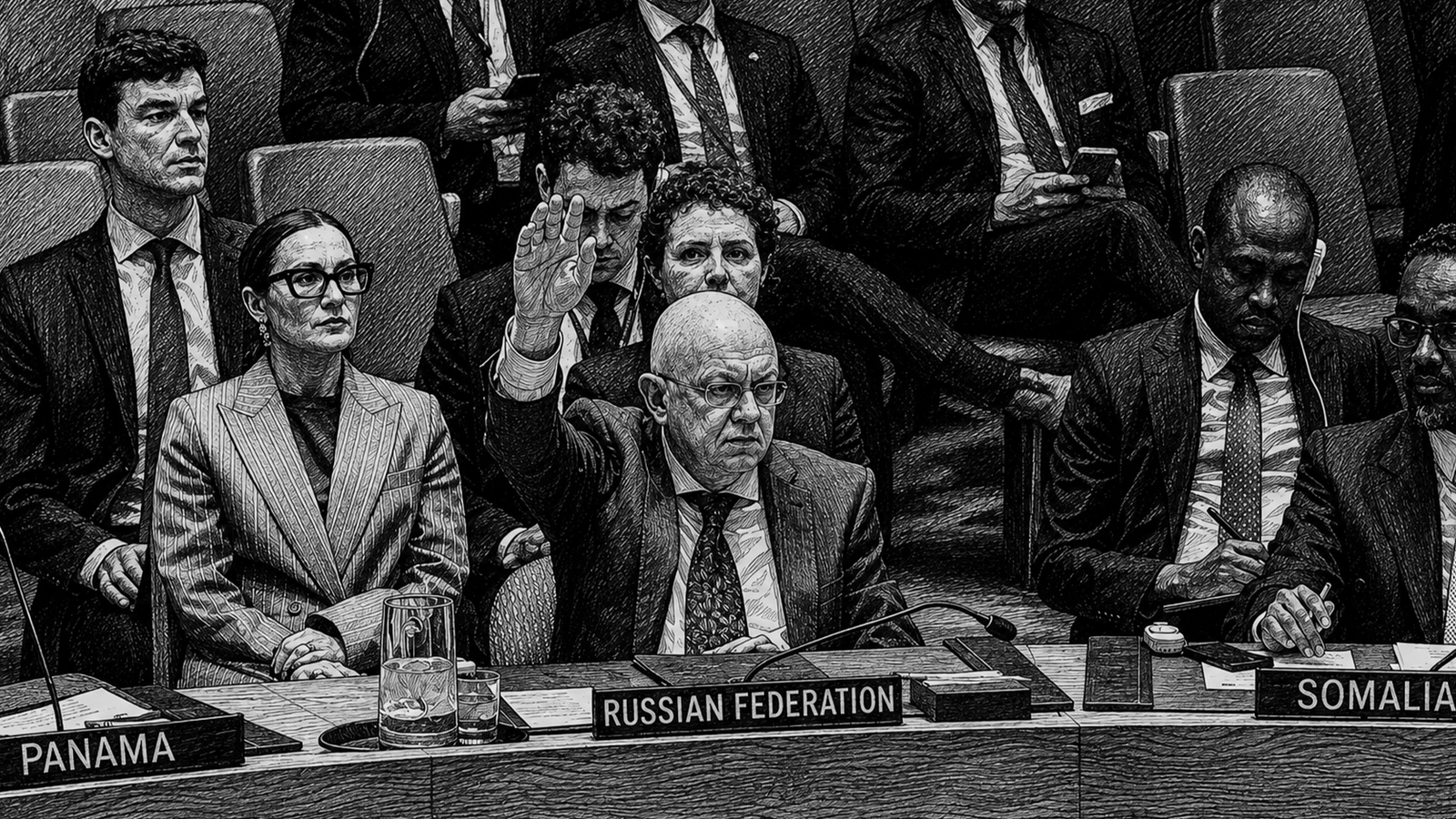
For this reason, the veto is viewed in two contrasting ways. Its defenders argue that it preserves the realism of the international system, since the major powers possess the greatest military, political, and economic capabilities, and no far-reaching decisions can realistically be imposed upon them without their consent.
Its critics, however, contend that it grants five countries an undemocratic privilege, makes international justice subordinate to the interests of the major powers, and paralyzes the Security Council during serious humanitarian and political crises.
This dilemma becomes even clearer when comparing the Security Council with the General Assembly. The General Assembly includes all United Nations member states, with each country having one vote, but in most cases it can only adopt non-binding recommendations.
The Security Council, by contrast, is much smaller, and its resolutions can be legally binding, particularly on matters relating to international peace and security, sanctions, and the use of military force. Consequently, the veto assumes enormous significance, as it does not merely block a political statement—it can prevent the adoption of a binding resolution that might have imposed sanctions, established a peacekeeping mission, or authorized the use of force.
Historically, judging by the growth of United Nations membership, not all of the world's countries were represented in the organization from the outset. There were only 51 founding members, while many other states did not join immediately because they were not yet independent in 1945, remaining under colonial rule or foreign protection. In addition, the defeated Axis powers, such as Germany, Japan, and Italy, were not admitted right away. United Nations membership expanded gradually with the waves of independence that swept across Asia, Africa, and the Arab world.
Qatar is a case in point. It was not among the founding members of the United Nations in 1945 because it had not yet achieved independence. At the time, it was under British protection pursuant to agreements between the two countries, and therefore lacked the independent international status required to attend the San Francisco Conference or sign the Charter of the United Nations.
However, after Qatar gained its independence on 3 September 1971, it joined the United Nations on 22 September of the same year. Coincidentally, 1971 was also the year in which the United Arab Emirates, Bahrain, Bhutan, and the Sultanate of Oman became members of the United Nations.
This steady growth in United Nations membership demonstrates that the absence of many countries in 1945 was not because they rejected the organization, but because they had not yet attained full legal independence.
The history of the veto also reveals that the United Nations was not created as an ideal system founded on absolute equality, but rather as a compromise between principle and reality. The principle was the equality of states, the right of peoples to self-determination, and the preservation of international peace. The reality, however, was that the victorious powers of the Second World War designed the organization in a way that guaranteed their influence and ensured their continued participation.
For this reason, the General Assembly was established to embody the principle of equality, while the Security Council was designed to reflect the principle of power and the special responsibilities of the major powers.
The veto was the direct product of a specific historical moment: the end of the Second World War, the world's fear of a third global conflict, and the determination of the major powers to create a system that would prevent direct confrontation among themselves. Decades later, however, it has come under increasing scrutiny. The world has changed dramatically since 1945: colonialism has ended, dozens of new states have emerged, the Soviet Union has dissolved, major economic and political powers such as India, Brazil, Germany, and Japan have risen, and the global influence of Africa and Asia has grown. Yet the structure of the Security Council has remained largely unchanged, with the same five countries continuing to hold the veto.
As a result, calls for Security Council reform have become increasingly frequent. Some countries advocate expanding the number of permanent members to include emerging powers such as Germany, Japan, India, and Brazil, and perhaps permanent representation for Africa. Others call for restricting the use of the veto in cases involving genocide, crimes against humanity, and major war crimes, while some demand its complete abolition. However, such proposals face a fundamental obstacle: amending the United Nations Charter requires the approval of the permanent members themselves. In other words, the very countries that possess the veto would have to agree to limit or abolish it—an outcome that is extremely difficult to achieve.
Ironically, the veto, which was created to prevent the failure of the United Nations, has often become one of the main reasons it is accused of failing. At the same time, however, it may also be one of the reasons the organization has endured, because it kept the major powers within the system, even at the height of the Cold War, when the world was divided between the American and Soviet blocs. Had the veto not existed, one of the major powers might have withdrawn from the organization at the first major confrontation, just as happened with the League of Nations, which lost both its legitimacy and its ability to influence events after Nazi Germany withdrew, the Soviet Union was expelled, and other countries followed, leaving it an increasingly irrelevant institution.
Competition among human beings is a divine law, and no right can endure without the power to protect it.
Allah says in Surah Al-Baqarah: "...And if Allah had not repelled some people by means of others, the earth would have been corrupted. But Allah is full of bounty to all the worlds." (Qur'an 2:251)
Despite the 2026 U.S. National Defense Strategy championed by U.S. Secretary of Defense Pete Hegseth, one of whose consequences, according to an article by Kanita Iyer published by CNN in April 2026 under the title Automatic military draft registration to take effect in December, is that beginning in December 2026 the United States will automatically register eligible men in the Selective Service System—the military reserve draft database. The automatic registration will apply to males between the ages of 18 and 25.
Yet Donald Trump, who appears to dominate headlines at every turn, is unable to answer a simple question posed during an interview on an American television network: whether he would intervene to defend the United States' close ally, Taiwan, if it were attacked by the People's Republic of China, which has been exerting military pressure on the island for years.
Here, we hear no threat from Trump. In fact, we hear no answer at all. He does not say yes, for fear that such an answer might provoke China by signaling an American commitment to defend Taiwan. Nor does he say no, for fear of being accused of abandoning America's ally if he were to declare that the United States would not intervene. Instead, he finds no refuge from the question except silence, justified by claiming that the matter is "the ultimate secret." It is not the ultimate secret—it is the strength of the adversary. May weakness never be blessed.
Caught between criticism and the veto, the United Nations has remained at a standstill for decades. The powerless may exercise their right to criticize as much as they wish, but any discussion or theorizing about humanity, justice, and equality, without the strength to uphold it, will never come to fruition—much like the Security Council's draft resolutions that remain locked away in drawers after being blocked by one hand here and another there, each wielding the power of the veto.
There is no alternative but for these nations to overcome the sources of their weakness and consolidate their strength, because other countries do not provide assistance out of pure generosity—and even when they do, it is never free.