
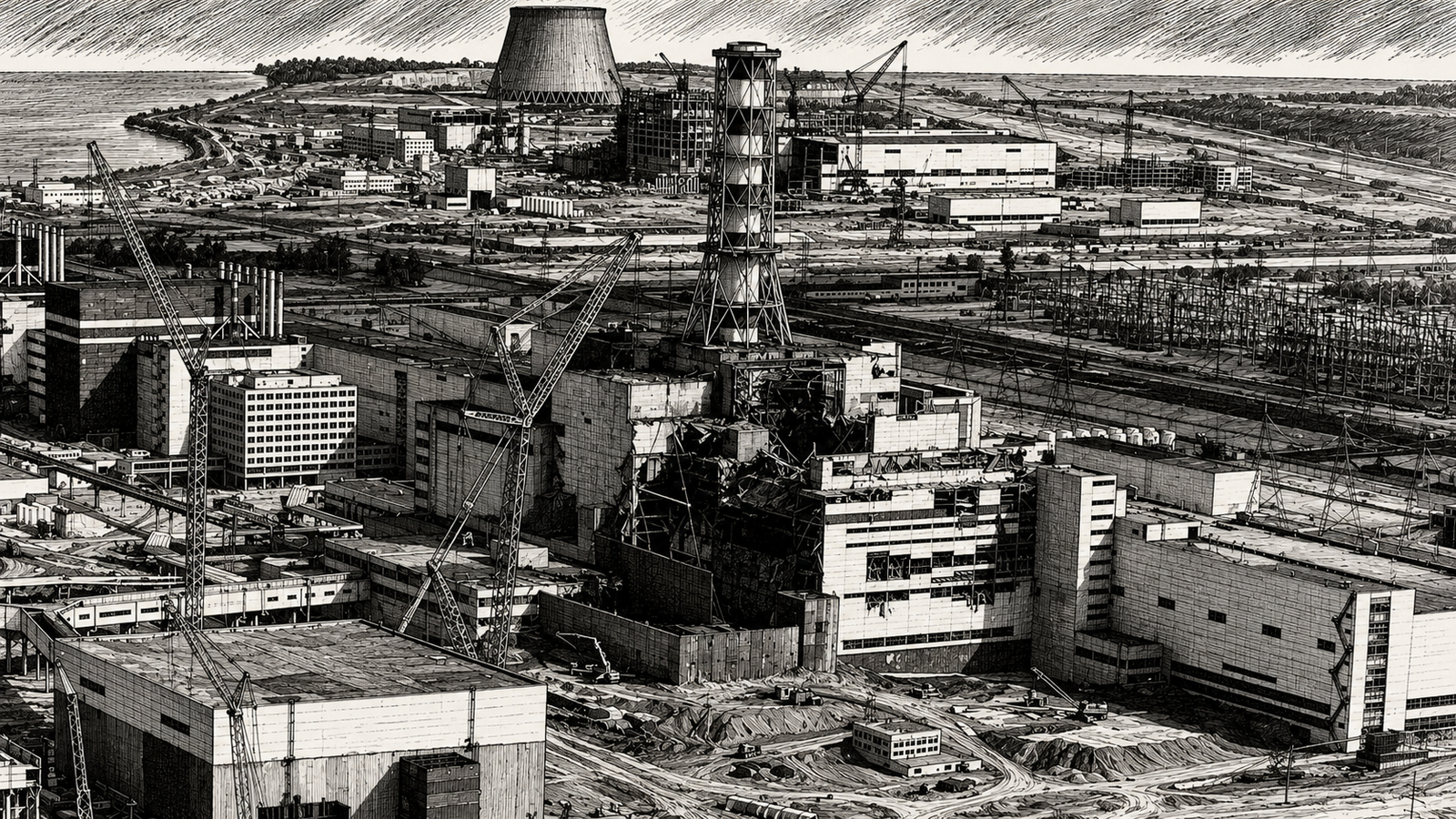
According to the International Atomic Energy Agency (IAEA) in its article Chernobyl Accident: Frequently Asked Questions, the Unit 4 reactor was an RBMK-type high-power, graphite-moderated, channel-type reactor. In this design, each nuclear fuel assembly is placed inside an individual tube, approximately 8 centimeters in diameter, known as a channel, through which cooling water flows around the fuel.
However, according to the IAEA, the plant spiraled out of control during a planned low-power test in a chain of events that combined design flaws, operational errors, and inadequate institutional emergency preparedness.
The test was intended to determine whether, following a loss of electrical power, the turbines could continue spinning for a few seconds—long enough to generate temporary electricity to operate the cooling pumps until the backup diesel generators came online.
On the surface, it appeared to be a limited technical test. In reality, it touched the very core of nuclear safety itself. Reactor cooling is not a minor detail; it is the barrier separating a controlled nuclear reaction from thermal runaway. According to the World Nuclear Association, the accident resulted from a combination of a reactor design that tolerated virtually no mistakes, hazardous operating procedures, insufficient operator understanding of the reactor’s behavior at low power levels, and the absence of a strong precautionary safety culture.
That night, the reactor’s power level dropped unintentionally to an extremely low level. Operators then attempted to raise it again by withdrawing a large number of control rods. These rods are designed to absorb neutrons and suppress the chain reaction, but at Chernobyl they became part of the sequence of failure.
Low power, xenon poisoning that suppressed the reaction, and insufficient coolant flow combined in such a way that steam bubbles forming within the cooling channels did not reduce reactivity; instead, they could actually increase it.
When the operators pressed the emergency shutdown button, the control rods did not immediately produce their expected braking effect. Instead, because of their graphite-tipped design, they caused a sudden increase in reactivity during the first moments of insertion, leading to an explosive surge in power.
At approximately 1:23 a.m., the explosion occurred. It was not a nuclear explosion in the military sense, but rather a steam and thermal explosion that tore apart the reactor structure and lifted its massive lid. This was followed by a graphite fire and the release of large quantities of radioactive material into the atmosphere.
One of the factors that magnified the disaster was the absence of a robust containment structure of the type used in many Western reactor designs. As a result, radioactive fuel and materials escaped directly into the environment. Two workers were killed within the first hours, and the tragedy of the firefighters and plant personnel began as they approached the site without fully understanding the magnitude of the radiation they were facing.
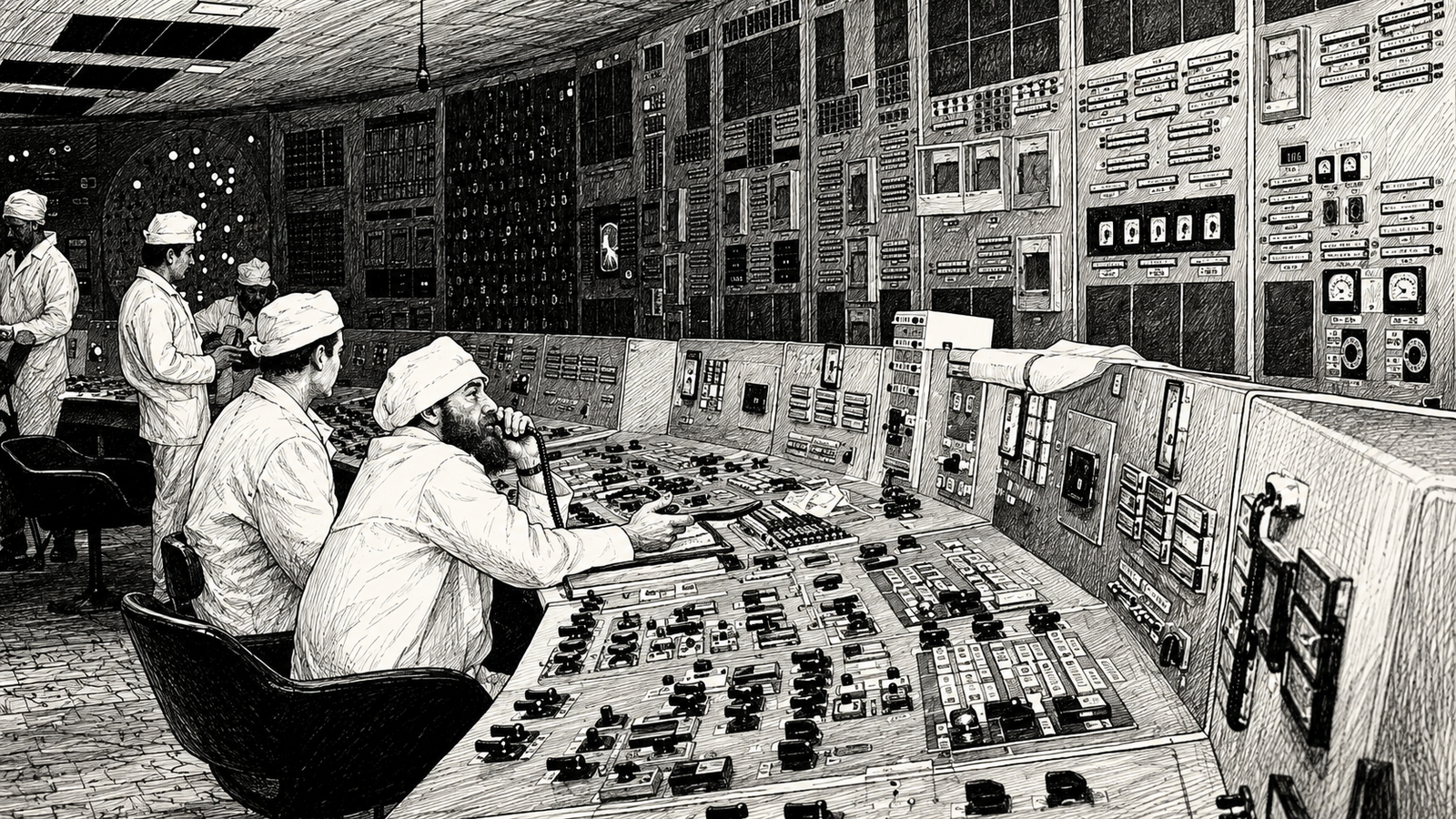
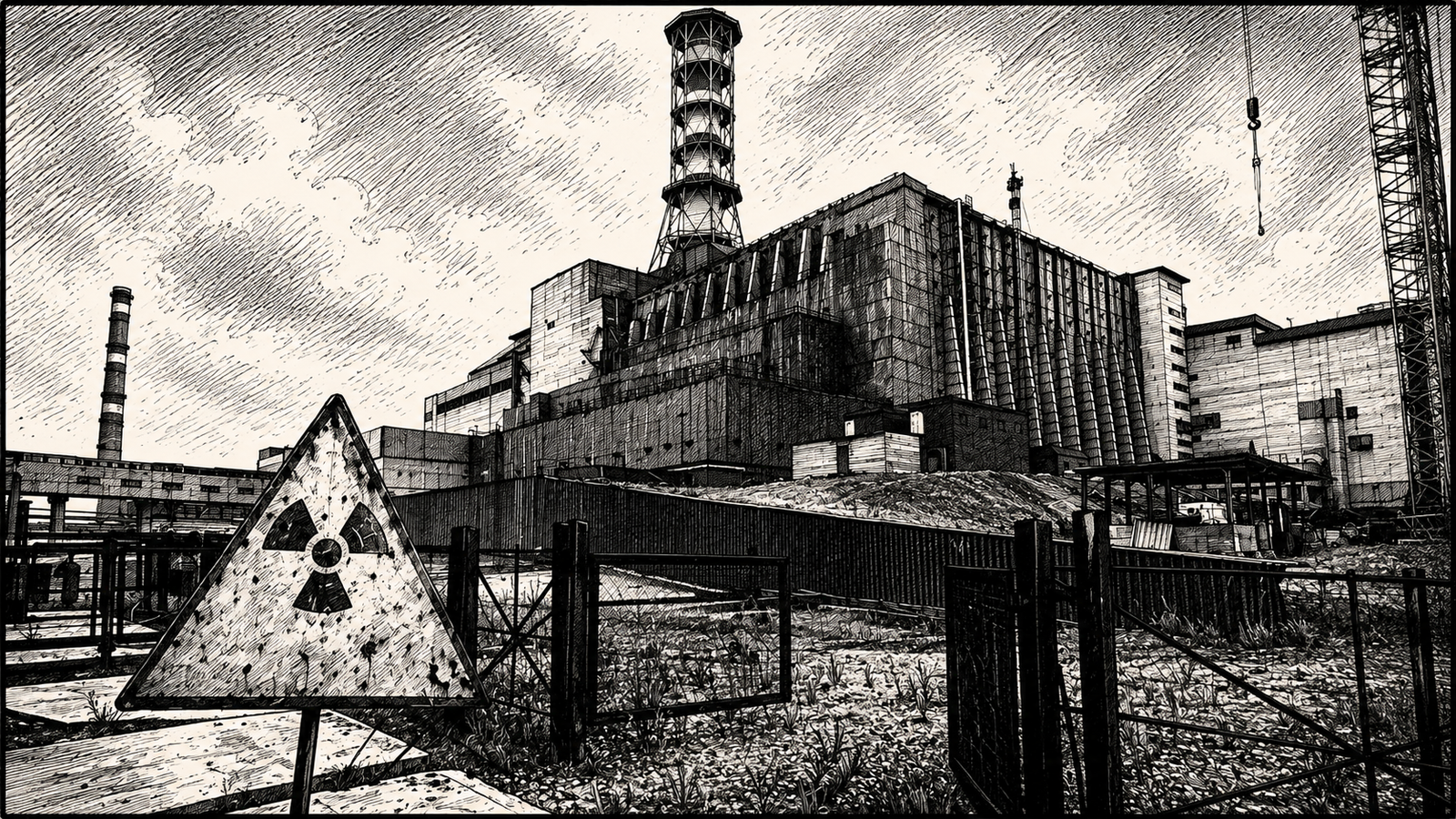
The United Nations Scientific Committee on the Effects of Atomic Radiation (UNSCEAR) reports that 134 plant workers and emergency responders received high radiation doses and developed acute radiation syndrome, of whom 28 died within the first three months.
Yet understanding Chernobyl requires more than focusing solely on the explosion itself. Over the years, the most famous disaster of the nuclear age has become a complex mixture of scientific facts, popular myths, and psychological fears. Chernobyl is often portrayed in public discourse as an eternal radioactive wound, with references to the extremely long half-lives of certain isotopes reinforcing the idea that the catastrophe will never truly end.
However, a review of the evidence reveals that the acute health crisis was not primarily caused by the longest-lived isotopes, but by iodine-131, a relatively short-lived isotope with a half-life of about eight days. Despite its short lifespan, it was extremely dangerous during the first days and weeks because it rapidly entered the food chain through milk and accumulated in the thyroid gland, particularly in children.
According to the World Health Organization (WHO), a significant increase in thyroid cancer occurred among those who were children or adolescents at the time of the accident and who lived in the most contaminated regions of Belarus, Russia, and Ukraine. The primary cause was exposure to radioactive iodine during the first days following the explosion.
WHO data further indicate that by 2005, a total of 6,848 thyroid cancer cases had been recorded among individuals who were under eighteen years old at the time of the accident. This figure demonstrates that the most clearly documented health effect was age-specific and biologically concentrated rather than evenly distributed across the entire population.
The tragedy lay not only in radiation itself but also in the management of information and food supplies. Had warnings reached farmers quickly, had contaminated milk been withdrawn from consumption in time, and had stable iodine tablets been distributed in an organized manner, a significant portion of the radiation doses received by children could have been avoided.
A comparison with Poland illustrates this point. Rapid iodine prophylaxis measures there significantly reduced thyroid radiation doses, while responses in the affected Soviet regions remained slow and incomplete, particularly in relation to milk distribution systems.
Yet the broadest impact of the disaster was psychological and social, affecting millions of people. The accident coincided with the final years of the Soviet Union’s decline and its eventual collapse. Fear of radiation became intertwined with fears of state failure, economic collapse, and the breakdown of social safety networks.
A study titled The Mental Health Legacy of the Chernobyl Disaster: Thirty Years On concluded that one of Chernobyl’s most enduring effects was on mental health, including anxiety, depression, and post-traumatic stress disorder.
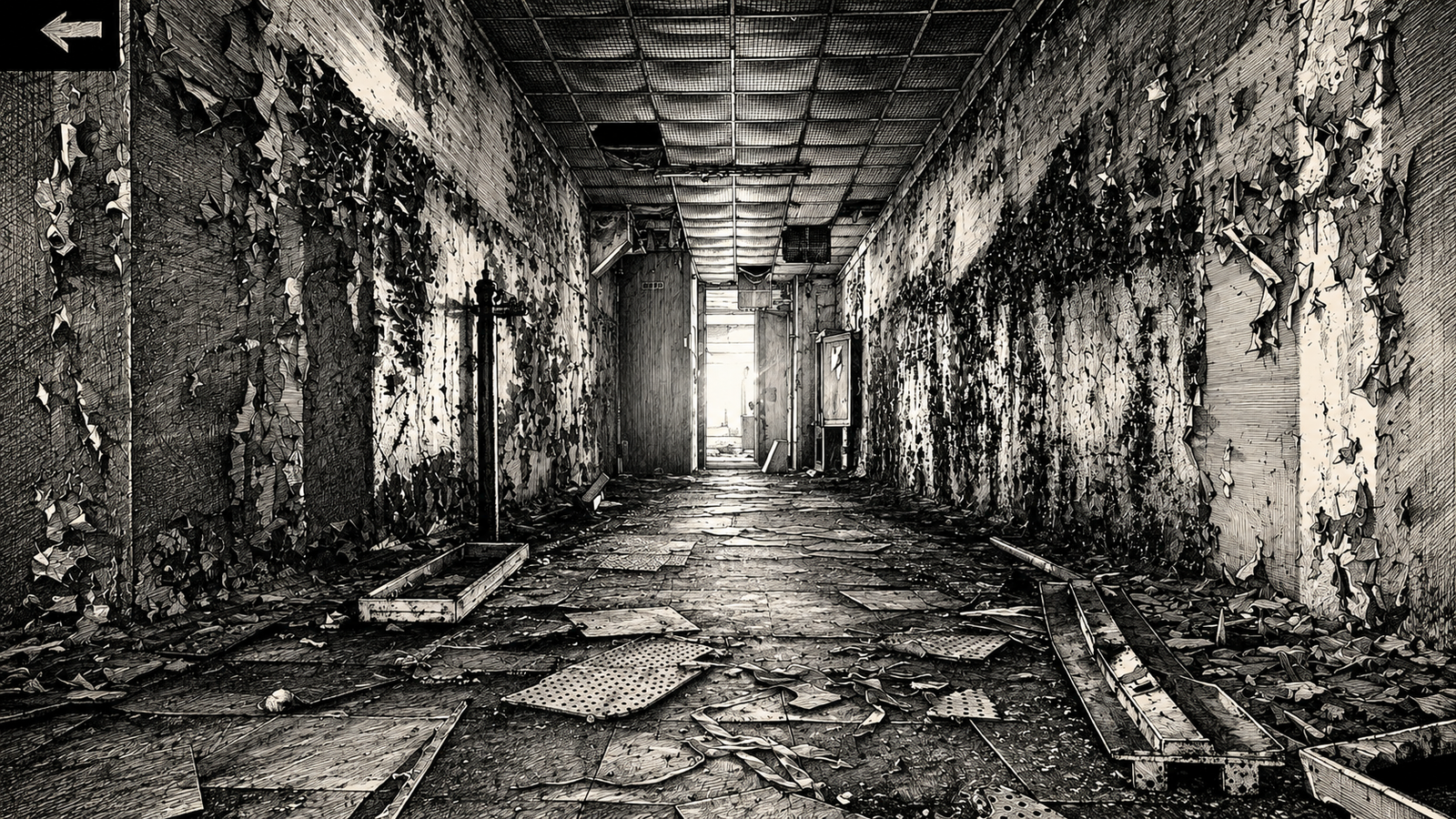
One of Chernobyl’s most important lessons: managing fear is no less important than managing physical hazards. People do not live inside scientific reports; they live amid rumors, memories, delayed information, evacuation orders, disease names, and images of sick children.
When a government delays telling the truth, the resulting information vacuum becomes another reactor generating fear. It is therefore difficult to separate the radiological impact from the political and social impact. The disaster occurred within a system inclined toward secrecy and reluctant to acknowledge failure. As a result, people lost trust not only in the nuclear plant but also in the authorities that were supposed to protect them.
The outside world did not learn of the true scale of the accident through transparent Soviet disclosure. Instead, European monitoring stations detected abnormal radiation levels. The winds exposed what politics attempted to conceal.
In the area surrounding the plant, the effects were immediate and dramatic. Pine trees exposed to high radiation doses turned reddish-brown, creating what later became known as the Red Forest, one of the most visible symbols of the disaster.
While the short-lived isotopes responsible for the immediate damage disappeared within months, cesium-137, with a half-life of approximately thirty years, became the principal long-term environmental concern.
Importantly, the persistence and danger of cesium are determined not only by its radioactive half-life but also by what scientists call radioecological sensitivity, which depends on soil type, clay content, nutrient levels, organic matter, and water movement.
In clay-rich soils, radioactive cesium can become trapped between mineral layers, reducing its uptake by plant roots. In nutrient-poor soils, such as some wetlands, potassium deficiency causes plants to absorb cesium more readily.
In forests, thick organic layers on the forest floor act as long-term reservoirs for cesium, explaining why mushrooms and wild berries often remain more contaminated than many agricultural crops.
In closed lakes with limited water flow, cesium is recycled within the water system rather than being quickly diluted. In this sense, Chernobyl was not a single uniform disaster but an environmental mosaic. One area may become less hazardous because of its soil characteristics, while another remains vulnerable for decades due to its hydrological and organic properties.
Another scientific complexity revealed by the disaster was that radioactive fallout was not uniform. Volatile elements such as iodine and cesium formed fine particles that winds carried over great distances. Closer to the reactor, however, heavier “hot particles” fell to the ground. These were essentially microscopic fragments of uranium oxide—tiny pieces of nuclear fuel itself. Because of their density, they did not travel far, but they left behind a long-term legacy in the immediate vicinity.
The firefighters and early workers embodied the most direct form of human sacrifice in the disaster. Of the 134 emergency responders who suffered acute radiation exposure, 28 died within the first few months from direct physical collapse, including bone marrow destruction, severe skin damage caused by beta radiation, and radiation burns that played a decisive role in their deaths.
The accident also led to the large-scale evacuation and resettlement of hundreds of thousands of people who were uprooted from their homes, schools, and farms, leaving behind memories that could not be transported on evacuation buses.
Politically, the Chernobyl disaster occurred at a critical moment in Soviet history. At the time, Mikhail Gorbachev was promoting glasnost, or openness and transparency. Yet the accident revealed that the old structures of secrecy remained deeply entrenched. Acknowledgment was delayed, information was incomplete, and warnings fell far short of the danger.
When a state fails to tell the truth at a moment when lives are at risk, it loses more than a public relations battle—it loses part of its moral legitimacy. For this reason, many observers argue that while Chernobyl was not the sole cause of the Soviet Union’s collapse, it accelerated the crisis of trust between society and the state. Citizens came to realize that danger could exist in the air, the milk, and the soil, and that the authorities controlling information might deprive them of the most basic means of protecting themselves.
For the nuclear industry, Chernobyl became a global turning point. Before the accident, nuclear energy was widely promoted as a symbol of scientific progress and a vast source of electricity.
Afterward, ethical questions moved to the forefront. Who guarantees that safety culture is stronger than the drive for production? Who reviews reactor designs? Are regulatory authorities truly independent? The disaster reinforced the concept of safety culture—the understanding that safety is not created solely by equipment and regulations but by an entire institutional environment that encourages warnings, rewards honesty, and does not punish those who halt dangerous operations.
Even decades later, the Chernobyl disaster has not truly ended. The destroyed reactor was first enclosed within what became known as the sarcophagus, a hastily constructed concrete and steel structure designed to isolate the danger. Later, the New Safe Confinement, a massive engineering arch, was built over the original structure to contain radioactive materials and facilitate future dismantling efforts.
According to an Associated Press report, Chernobyl returned to global attention following Russia’s invasion of Ukraine and again after the New Safe Confinement area was struck by a drone attack in February 2025. Although reports indicated that no significant radioactive release occurred, the incident served as a reminder that nuclear facilities do not exist outside the realms of politics and war.